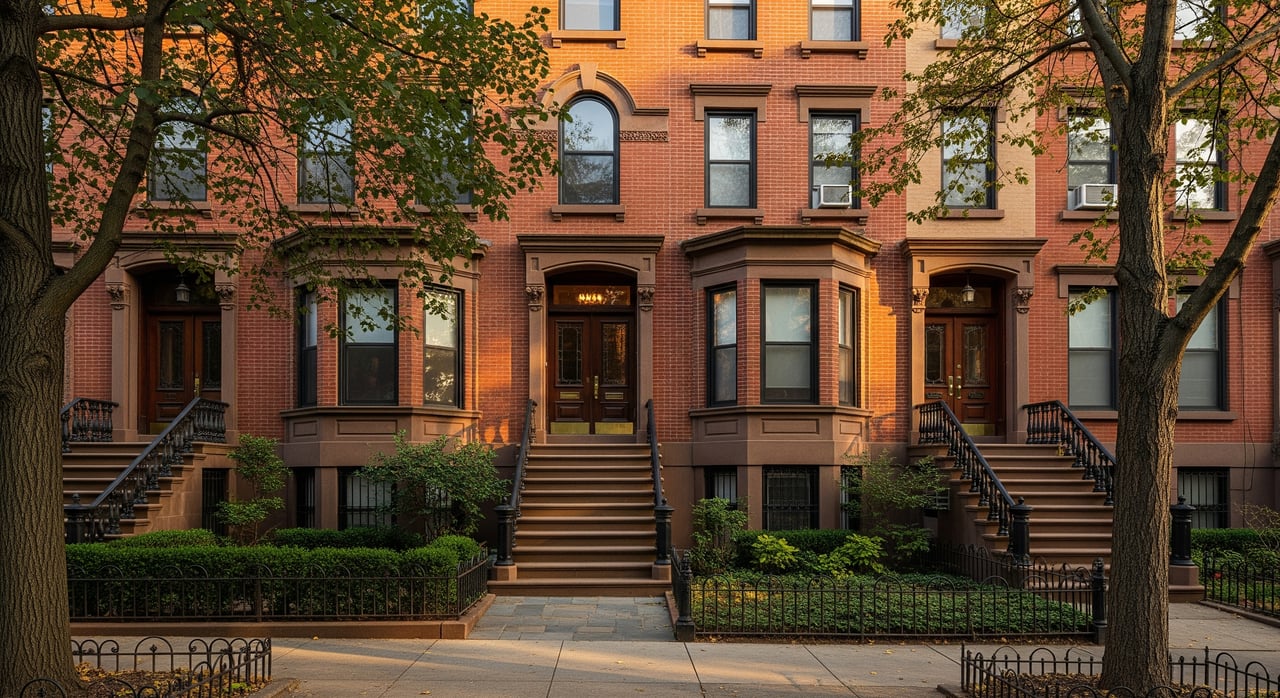
Thinking about house hacking or building steady rental income in Brooklyn? Midwood’s 2-4 family homes offer a reliable path if you know how to underwrite older buildings, navigate NYC rules, and choose the right financing. You want predictable occupancy, manageable expenses, and a clear plan to add value without surprises.
In this guide, you’ll learn how to size up a Midwood 2-4 family from rents and vacancy to expenses, loan options, due diligence, and exit strategy. You’ll also get a practical checklist you can use right away. Let’s dive in.
Why Midwood works
Midwood is a largely residential pocket of Brooklyn with many low-rise masonry homes and small multi-unit buildings. That means a consistent pool of renters who tend to stay longer than in higher-turnover areas. For investors, that supports conservative, steady underwriting.
Value often comes from condition and convenience. Updated kitchens and baths, separate utilities, finished basements, and off-street parking can support higher rents. Proximity to transit and retail corridors also helps demand and pricing.
Market property types
- Many buildings were built before 1940. Plan for deferred maintenance like roofs, plumbing, electrical, and windows.
- Units often range from 1 to 3 bedrooms. Basement spaces are common and may rent for less or be informal.
- Some properties still run on older steam or boiler systems. Check for oil heating and older electrical service.
- It is common to see owner-occupants who self-manage. That can be a plus if you plan to live in one unit.
Underwrite income
Build a rent schedule
Start with local comps for the same building type, bedroom count, and condition. Focus on the last 90-180 days and verify on-the-ground with broker intel. Create a per-unit rent schedule by bedroom and condition, then calculate a blended average rent per unit.
Adjust thoughtfully for amenities. In-unit laundry, modernized kitchens and baths, private entries, and off-street parking can support premiums in Midwood.
Model vacancy and other income
Use a vacancy and collection loss of 5%-8% for stable properties. Lean toward the lower end if you will be an owner-occupant or inherit long-term leases. If demand softens, consider 8%-10%.
Other income can include tenant-paid utilities, laundry, parking, storage, and pet fees. Concessions are uncommon in stable buildings but can occur with basement or less desirable units.
Model expenses with a cushion
Operating expense ranges
- Property taxes: Confirm property tax class and current tax bill. 2-3 families are often Class 1, while 4-unit buildings are often Class 2 with different assessment rules.
- Insurance: Budget roughly $500-$2,500+ per year based on age, size, and coverage.
- Utilities: If you pay heat and water, use historical bills. If tenants pay, your expenses drop but rents may be lower.
- Repairs and maintenance: Use 5%-10% of effective gross income. With older Midwood buildings, use the upper end.
- Management: Professional management typically runs 4%-8% of effective gross income. If you self-manage, you might model 0%-3% to account for your time.
- Admin, legal, accounting: Carry a modest allowance for bookkeeping, legal needs, and potential eviction costs.
- Exterior and seasonal: Include snow removal, landscaping, and garbage as needed.
Across small, well-kept multifamily in Brooklyn, total operating expenses often run 30%-50% of effective gross income. Use conservative numbers.
Reserves and near-term capex
Hold an annual reserve for replacements of $1,500-$4,000 per unit per year, or about 2%-4% of property value. For 2-4 unit buildings, that often lands at $3,000-$8,000 per year per building depending on condition.
For your first 1-3 years, budget for big items like roof work, boiler replacement or service, window upgrades, lead paint remediation where required, and cellar waterproofing. Having a defined capital plan supports financing and protects cash flow.
Financing options
Owner-occupant paths
- FHA for 1-4 units can allow a lower down payment for owner-occupants. You must move in within a typical window and live there for at least a year.
- FHA 203(k) packages purchase and renovation into one loan. This is useful if you are buying a value-add property that needs repairs.
Investor loan paths
- Conventional loans for investments generally require about 20%-30% down for 2-4 unit properties.
- Portfolio or community bank loans can be more flexible, especially for experienced landlords.
- Bridge or small-balance commercial loans can work for short-term repositioning but carry higher rates and fees.
Metrics lenders watch
- Net Operating Income: NOI equals effective gross income minus operating expenses. Do not include debt service.
- Debt Service Coverage Ratio: DSCR equals NOI divided by annual debt service. Many lenders target 1.20-1.35 or higher.
- Cap rate and GRM: Use local comps to understand current cap rate and gross rent multiplier trends.
- Cash-on-cash return: Annual cash flow after debt service divided by your invested cash.
NYC rules to confirm
- Rent regulation: New York rent stabilization largely applies to buildings with six or more units and certain buildings with tax benefits or a prior regulatory history. Most 2-4 families are not automatically stabilized, but always verify status with the appropriate housing agencies.
- Certificate of occupancy and legal unit count: Confirm that the legal unit count matches what you see. Illegal units can derail financing and reduce value.
- Violations and permits: Check for open Department of Buildings or Housing Preservation and Development violations, unresolved complaints, or stop-work orders.
- Lead-based paint: For buildings built before 1978, follow disclosure rules and lead hazard requirements, especially if children under 6 are present or you plan renovations.
- Local compliance: Understand registration requirements, heat and hot water regulations, and any local incentives or tax abatements that affect your expenses or rents.
Due diligence checklist
- Rent roll and leases for all units, with start and end dates and security deposits.
- 12-24 months of profit and loss statements and bank records. Look for hidden income or vacancies.
- Tenant estoppel letters when possible.
- Building inspection focused on envelope, roof, foundation, cellar moisture, plumbing mains, electrical amperage and wiring type, boiler and hot water systems, windows, stairs, and fire egress.
- Department of Buildings and Housing Preservation and Development records for open violations and certificate of occupancy.
- Title search for liens, mortgages, or judgments.
- Utility history for water, gas, and electric.
- Insurance claims history.
- Lead paint inspection and disclosure documents if pre-1978.
- Survey or plot plan if you have concerns about lot lines, accessory structures, or parking.
- Environmental checks for prior flooding or oil tanks.
- Zoning verification and permitted uses.
Value-add strategies
- Lease up vacant units and standardize lease terms to reduce turnover and uncertainty.
- Renovate kitchens and baths and consider adding in-unit laundry where feasible.
- Separate utilities or submeter to shift appropriate costs to tenants, where permitted by law and lease.
- Bring rents to market thoughtfully, following all notice and legal requirements.
- Convert an informal basement space to a legal dwelling unit only with proper permits and a matching certificate of occupancy.
Plan your exit now
The buyer pool for Midwood 2-4 families includes local investors, owner-occupants who want rental income, and 1031 exchange buyers. Sale pricing is driven by local comps, cap rates, and GRM benchmarks.
Watch for risks that can affect resale. A change in tax classification or unexpected reassessment can hit net returns. Open violations or illegal units can delay a sale and require concessions. Market shifts can affect achievable rents. Mitigate by keeping the building compliant and well documented.
Sample first-pass underwriting
- Vacancy and credit loss: 5%-8% of gross potential rent.
- Expense ratio: 30%-50% of effective gross income.
- Repairs and maintenance: 5%-10% of effective gross income.
- Management fee: 4%-8% of effective gross income if hiring a manager. If self-managing, carry 0%-3% to reflect your time.
- Insurance: Get a local quote and consider umbrella coverage if you will hold as a rental.
- Property taxes: Use the current bill and confirm class and assessment history.
- Reserves: $1,500-$4,000 per unit per year, adjusted up for older stock.
- Lender DSCR target: 1.20-1.35 for investment loans.
- Exit metric: Cap rate and GRM from recent comps. Validate with current market data.
If you are evaluating an active listing, build a 3-year pro forma with conservative assumptions and a separate capital reserve line. Add an initial 1-3 year capital plan for the roof, heat and hot water systems, windows, and moisture control.
Ready to explore Midwood 2-4s?
If you want local, hands-on guidance to underwrite a purchase, plan renovations, or position a sale, connect with Erika Sackin / Jan Rosenberg. Get your free home valuation and consultation, plus a custom rent and expense review tailored to your goals.
FAQs
What makes Midwood attractive for 2-4 family investors?
- The neighborhood has many small multi-unit buildings, steady renter demand, and value drivers like condition, separate utilities, and parking that can support predictable cash flow.
How much vacancy should I underwrite in Midwood?
- A 5%-8% vacancy and collection loss is a solid starting point, using the lower end for owner-occupied or long-term leased properties.
Which loans can I use to buy a 2-4 family in Brooklyn?
- Owner-occupants often use FHA and FHA 203(k) for rehab, while investors tend to use conventional loans with about 20%-30% down or portfolio bank financing.
Are 2-4 family buildings in Midwood rent-stabilized?
- Most 2-4 unit properties are not automatically stabilized by unit count, but always verify registration status and any program history with the appropriate housing agencies.
What operating expense ratio should I expect?
- Many small Brooklyn multifamily properties operate in the 30%-50% of effective gross income range, with older buildings tending toward the higher end.
How much should I budget for capital reserves?
- A common guide is $1,500-$4,000 per unit per year, plus a defined 1-3 year plan for major items like roof, boiler, windows, and cellar waterproofing.