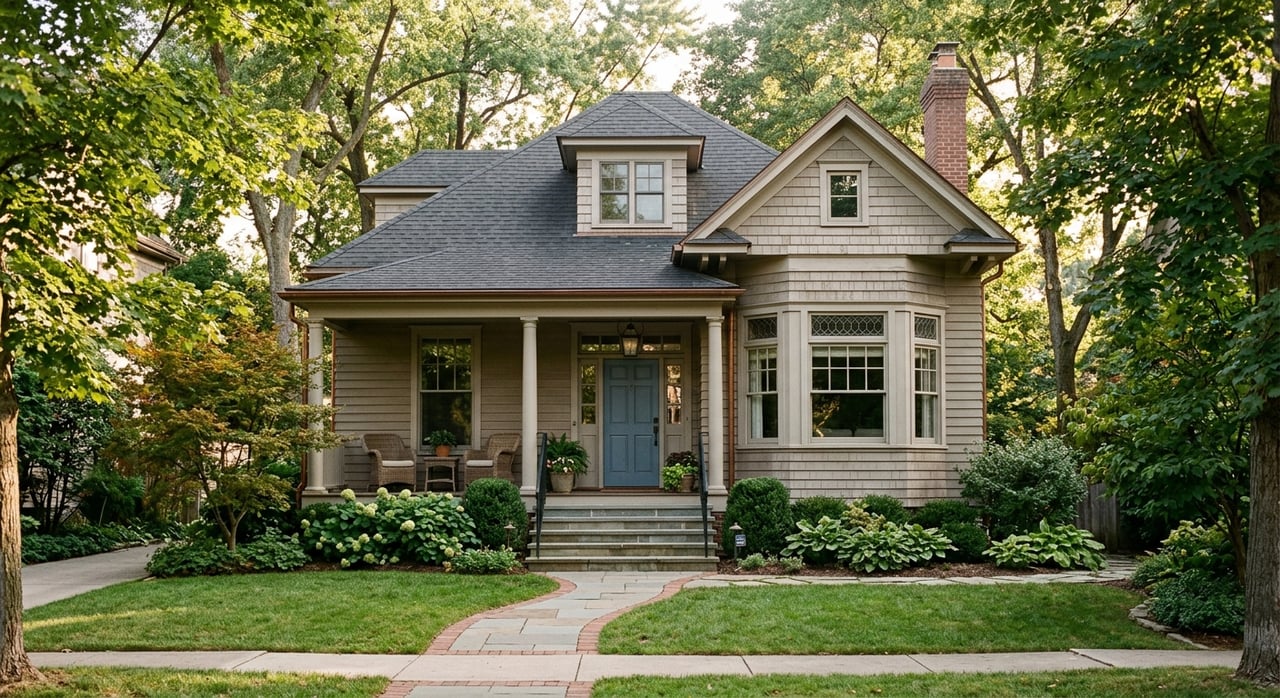
Trying to choose between Prospect Park South and Ditmas Park? If the two feel similar at first glance, you are not imagining it. Both offer the leafy, house-lined character that draws buyers to this part of Brooklyn, but they do not live quite the same way. This guide breaks down the key differences so you can compare layout, housing stock, daily convenience, transit, and park access with more confidence. Let’s dive in.
Prospect Park South vs Ditmas Park at a Glance
If you want the shortest possible answer, here it is: Prospect Park South is the tighter, more intentionally planned enclave, while Ditmas Park is the broader, more corridor-rich residential area.
That difference shapes almost everything else. It affects how the blocks feel, where you run errands, how much variety you will see from one street to the next, and what kind of home search may make the most sense for you.
How the Neighborhood Layouts Differ
Prospect Park South began in 1899 as a unified suburban-style development. According to the New York City Landmarks Preservation Commission, it remains one of the city’s best-preserved turn-of-the-century suburban developments, with landscaping and planning that still reflect the original vision.
Ditmas Park also has early suburban roots, but its historic footprint is broader. Its landmarked core stretches around Ocean Avenue, Dorchester Road, East 16th and East 17th Streets, and Newkirk Avenue, and the 2025 designation of Ditmas Park West shows how the area is often understood as part of a larger neighborhood fabric rather than one compact enclave.
What that means for you
In practical terms, Prospect Park South often feels more contained and cohesive. If you are drawn to a neighborhood with a strong sense of visual consistency from block to block, that can be a meaningful advantage.
Ditmas Park usually feels more expansive and a bit more varied. If you like the idea of a wider mix of blocks, commercial streets, and housing experiences within the same general area, Ditmas Park may feel like a better fit.
Housing Stock and Architecture
Both neighborhoods are known for freestanding homes and a rare-for-Brooklyn sense of space. That shared quality is a big part of their appeal, especially for buyers looking beyond apartments and seeking more room, outdoor space, or distinct architectural character.
Still, the housing stock is not identical.
Prospect Park South homes
Prospect Park South was planned around substantial freestanding homes and a deliberate landscape design. The Landmarks Preservation Commission highlights a striking range of revival styles, including Colonial Revival, Queen Anne, Italian Villa, neo-Tudor, neo-Elizabethan, neo-Jacobean, neo-Renaissance, Spanish Mission, Swiss Chalet, and Japanese-inspired designs.
That stylistic range gives the area a curated, almost gallery-like quality. Even with variety from house to house, the neighborhood often reads as carefully composed.
Ditmas Park homes
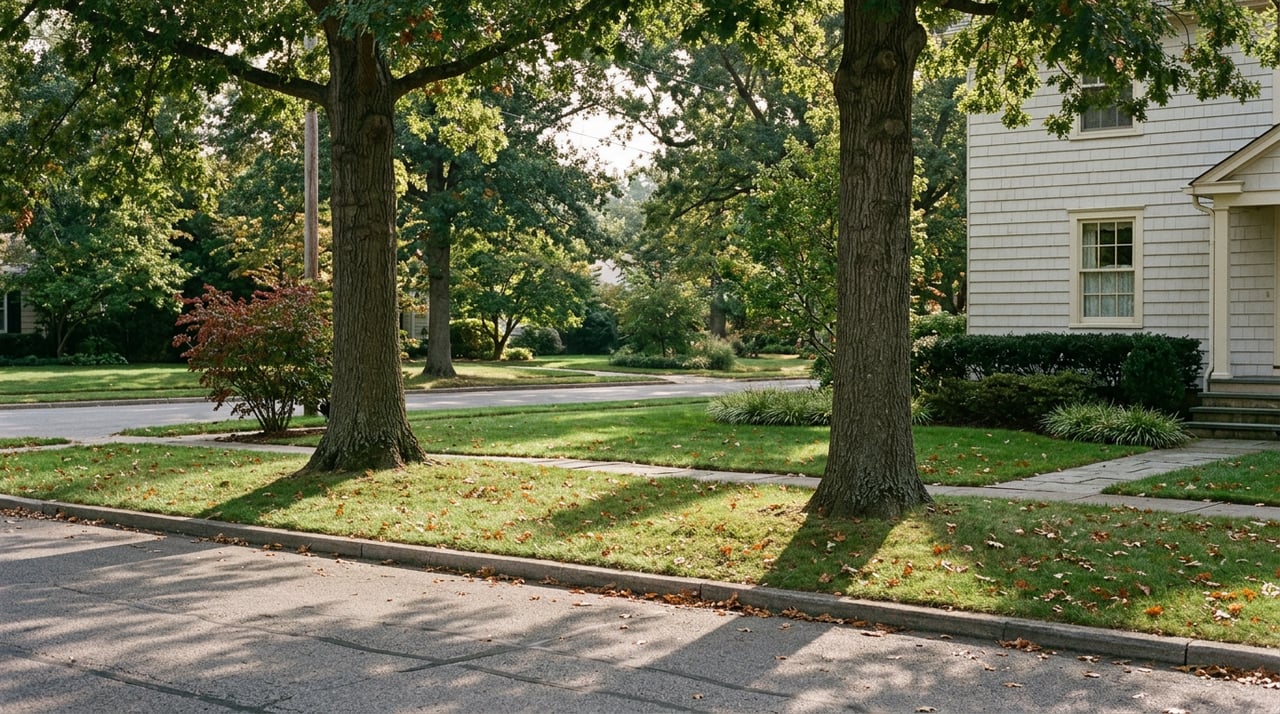
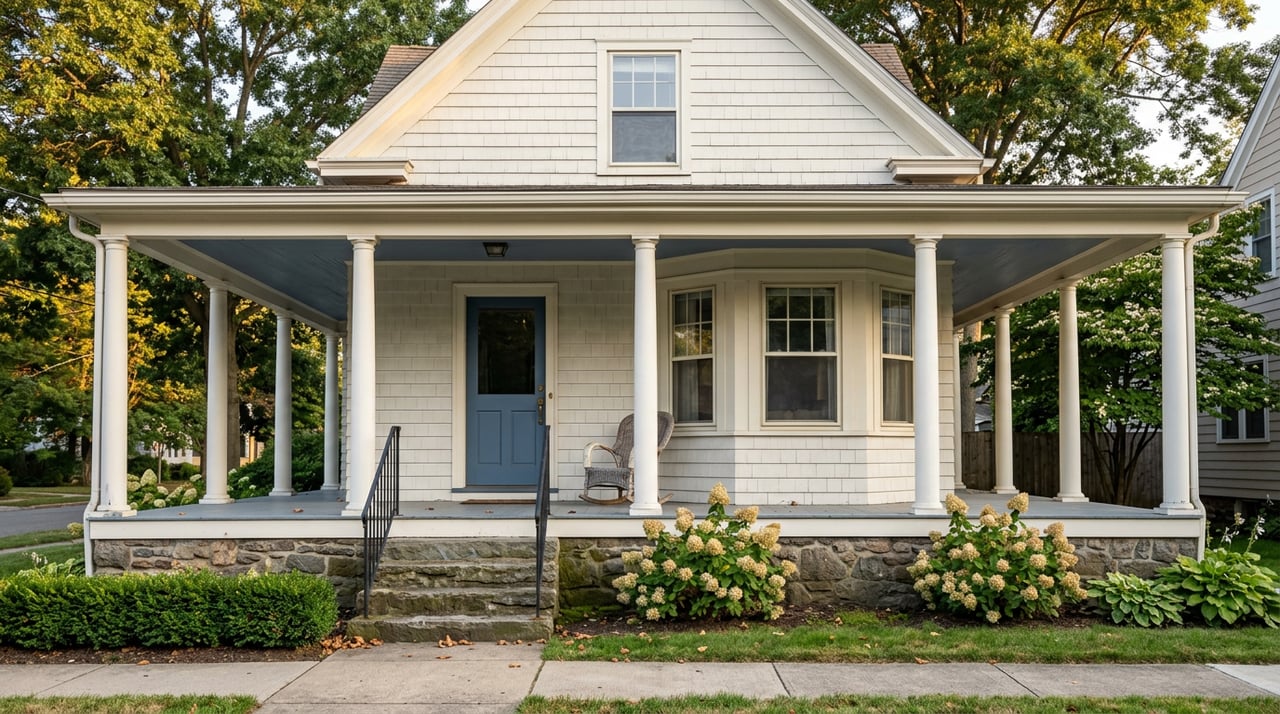
Ditmas Park is also dominated by freestanding houses, but the overall mix feels a little looser. The Landmarks Preservation Commission describes many homes as frame, two-story residences with attics, set back behind wide lawns and tree-planted sidewalk malls.
Its most common style is romantic Colonial Revival, but the district also includes bungalows, foursquare houses, porches, bays, and towers. The result is still highly distinctive, but often a bit more open-ended in feel.
Buyer takeaway on housing style
If you are looking for a more intentionally curated architectural setting, Prospect Park South may stand out. If you want a similar Victorian Flatbush backdrop with more variation across blocks and home types, Ditmas Park may offer more flexibility.
Daily Life and Commercial Corridors
One of the clearest everyday differences is where commercial activity shows up.
In Prospect Park South, Church Avenue functions as a major commercial corridor. That can make it easier to separate quieter residential blocks from busier shopping and service areas.
In Ditmas Park, the commercial pattern is more distributed. The NYC Department of Small Business Services identifies Cortelyou Road, Newkirk Avenue, Foster Avenue, Coney Island Avenue, and Ocean Avenue as key corridors in the broader Flatbush-Ditmas Park district, with especially high storefront occupancy along Cortelyou Road and Coney Island Avenue.
What that means for your routine
If you want a neighborhood that feels more residential and block-focused, Prospect Park South may align better with your day-to-day preferences. The experience can feel more centered on the homes and streetscape itself.
If you want errands, transit, and commercial activity woven more directly into the neighborhood fabric, Ditmas Park may feel more convenient. For many buyers, that broader corridor network creates a livelier, more connected rhythm.
Transit Access and Getting Around
Both neighborhoods are well served by the Q line, which is one reason they appeal to buyers who want house-scale living with strong subway access.
The current MTA Q line map includes Prospect Park, Church Av, Cortelyou Rd, and Newkirk Plaza in Brooklyn. The F line map also lists Church Av and Ditmas Av, which adds another layer of transit access in the area.
Transit feel by neighborhood
Prospect Park South appears more directly tied to stations that support park access and a closer relationship to Prospect Park. Ditmas Park centers more around Cortelyou Road and Newkirk Plaza, where transit and commercial life are more embedded in the neighborhood experience.
That distinction is based on current maps and how the areas function on the ground, not a strict formal boundary rule. But for buyers comparing two very similar-looking areas, it can be a helpful way to think about the difference.
Prospect Park Access
For many buyers, Prospect Park is a major part of the equation. The park covers more than 526 acres and includes dog runs, playgrounds, an ice-skating rink, and a nature center.
The park has also been closed to motor vehicles since 2018, which reinforces its role as a recreational and public space resource. In addition, NYC DOT and Prospect Park Alliance are rebuilding the Ocean Avenue perimeter and Parkside Avenue entrance in 2026, which is especially relevant for homes closest to the park edge.
Which area feels closer to the park?
Based on the maps, Prospect Park South generally appears more park-adjacent. If being near the park is one of your top priorities, that may give Prospect Park South an edge.
Ditmas Park still benefits from the same broader area access, but the neighborhood’s center of gravity tends to lean more toward its commercial corridors than directly toward the park boundary.
Which Neighborhood Fits Your Priorities?
The right choice usually comes down to how you want Brooklyn to feel when you step out your front door.
Prospect Park South may suit you if you want:
- A more coherent garden-suburb feel
- A tighter, more intentionally planned enclave
- Larger freestanding homes in a highly curated setting
- A stronger immediate connection to Prospect Park
- A more residential, block-focused atmosphere
Ditmas Park may suit you if you want:
- A broader neighborhood fabric with more variety
- More commercial corridors integrated into daily life
- More transit nodes embedded in the area
- A similar architectural backdrop with a less uniform feel
- A wider mix of blocks and housing types
Why This Comparison Matters for Buyers
When two neighborhoods sit side by side and share so much visual character, it is easy to assume the choice comes down to price or inventory alone. In reality, the better question is often about fit.
Do you want a more contained and planned setting, or a larger and more mixed neighborhood experience? Do you picture your routine revolving around quieter residential blocks, or do you want more errands and activity built into the area around you?
Those are small differences on paper, but they can shape how a move feels over time. That is why micro-neighborhood guidance matters, especially in south-central Brooklyn, where block-by-block distinctions can be meaningful.
If you are weighing Prospect Park South against Ditmas Park, a neighborhood-first conversation can help you narrow your search faster and focus on the streets, homes, and daily patterns that match your goals. If you want local guidance on buying or selling in this part of Brooklyn, connect with Erika Sackin / Jan Rosenberg for a thoughtful, high-touch consultation.
FAQs
What is the main difference between Prospect Park South and Ditmas Park?
- Prospect Park South is generally a tighter, more intentionally planned enclave, while Ditmas Park is a broader residential area with more commercial corridors and a wider mix of blocks.
Is Prospect Park South closer to Prospect Park than Ditmas Park?
- Based on current maps, Prospect Park South appears more directly park-adjacent, while Ditmas Park tends to center more around corridors like Cortelyou Road and Newkirk Plaza.
Are homes in Prospect Park South and Ditmas Park similar?
- Both neighborhoods are known for freestanding homes and strong architectural character, but Prospect Park South often feels more curated and stylistically eclectic, while Ditmas Park usually feels more mixed and open-ended.
Does Ditmas Park have more shops and services than Prospect Park South?
- Ditmas Park has a more corridor-based commercial pattern, with key activity along Cortelyou Road, Newkirk Avenue, Foster Avenue, Coney Island Avenue, and Ocean Avenue, while Prospect Park South is more closely associated with Church Avenue as its major commercial corridor.
Is transit access good in both Prospect Park South and Ditmas Park?
- Yes. Both are served by the Q line, and parts of the area also connect to the F line, giving buyers multiple transit options in south-central Brooklyn.