If you own a small multi-unit property in Midwood, you are not just selling a building. You are selling a mix of home, income potential, and future flexibility. That can make the process more layered than a typical one-family sale, especially if tenants, leases, or older-building paperwork are part of the picture. The good news is that with the right prep, you can price more clearly, market more effectively, and avoid surprises that slow a deal down. Let’s dive in.
Why Midwood small multi-units are different
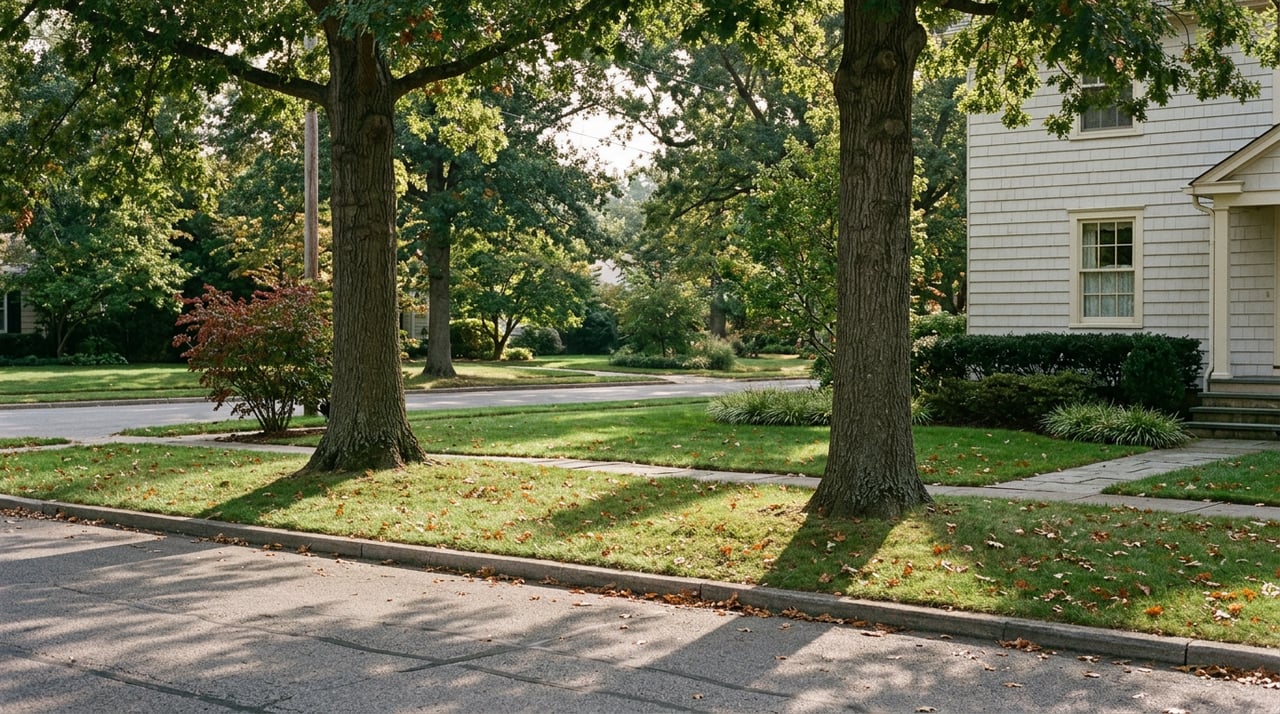
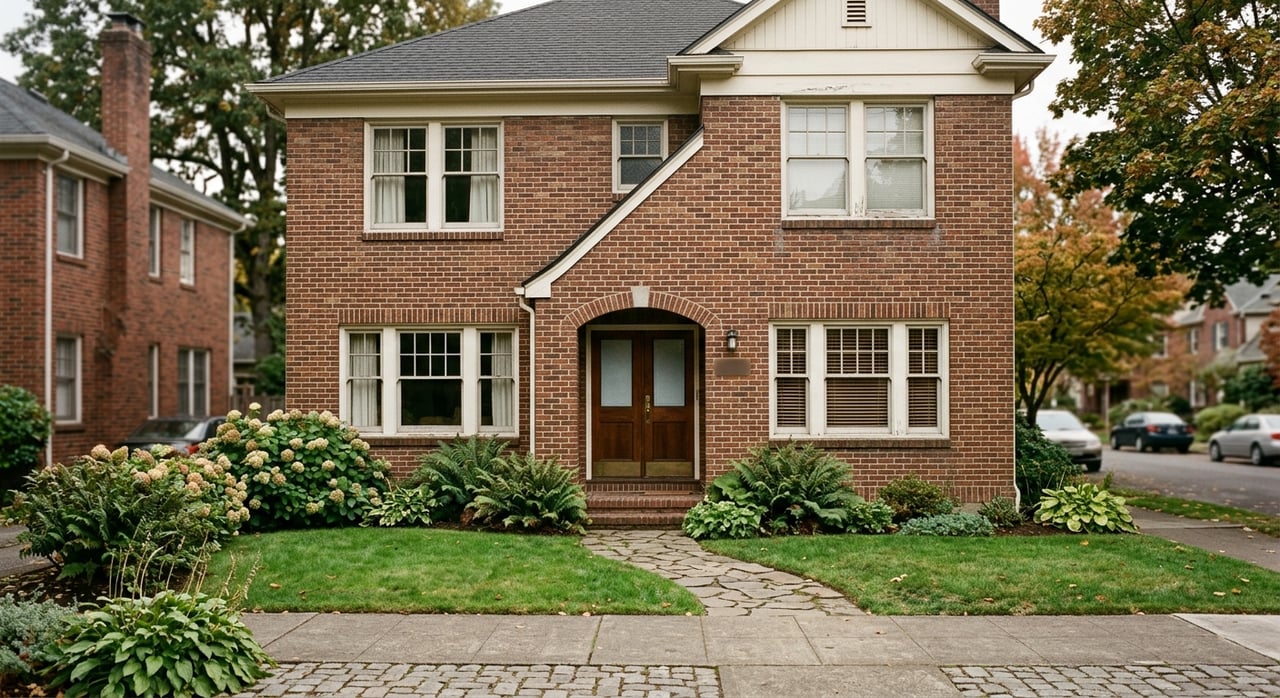
Midwood has a housing mix that naturally supports demand for two-, three-, and four-family properties. The neighborhood is known for low-rise residential blocks, detached homes, brick apartment buildings, and multi-family houses, so buyers often come in looking at these properties as both a place to live and an asset.
That matters when you sell. A buyer may focus on the same things they would in a home purchase, like layout, lot size, condition, and parking, but they may also study rent potential, occupancy, and operating costs. In other words, your property may be judged through two lenses at once.
Current asking prices in Midwood show how broad the range can be. As of early May 2026, StreetEasy displayed multi-family listings from roughly $995,000 up to $4,200,000, which is a good reminder that neighborhood averages alone do not tell the full story.
How buyers value a 2- to 4-family property
When you sell a small multi-unit, pricing usually starts with comparable sales, but it does not end there. Income-producing property is also evaluated based on the income stream it can support, and cap rate is one of the standard metrics used in that analysis.
For you as a seller, that means buyers may look closely at:
- Current rents
- Vacancy status
- Lease terms
- Operating expenses
- Unit condition
- Whether the property will be delivered occupied or vacant
A Midwood two-family that works well for an owner-occupant can draw a different buyer pool than a fully leased three-family pitched as an investment. Even if two buildings sit close to each other, value can shift meaningfully based on the tenancy and the ease of future use.
Why neighborhood averages are not enough
Midwood market snapshots can be useful for context, but they should be treated as directional. Different data sources report different median prices and sales counts because they use different time periods and methods.
For that reason, broad neighborhood numbers are only the starting point. Your actual pricing strategy should reflect your exact building, your block, the legal use, the condition of the units, and the income story the property tells.
Occupied vs vacant delivery matters
One of the biggest questions in a small multi-unit sale is whether the building will be sold occupied, partially vacant, or vacant at closing. That choice can affect pricing, timing, and buyer interest.
Some buyers prefer a building with in-place tenants because it offers immediate income. Others want flexibility, especially if they plan to live in one unit or renovate after closing. The same property can look more attractive or less attractive depending on which group you are trying to reach.
Lease timing can shape your sale calendar
If your property has rent-stabilized units, renewal timing is especially important. In New York City, the owner must offer a one- or two-year renewal lease on the same terms and conditions as the expiring lease, and that renewal notice must be sent 90 to 150 days before the current lease ends.
In practice, that means your lease calendar can directly affect when and how you go to market. If you are hoping for a turnover before closing, or you want clarity on future occupancy, you need to map out those dates well in advance.
Tenant rights are part of the process
If units are occupied, assumptions can create problems. Tenant rights, lease renewals, and the condition in which the property will be delivered should be reviewed carefully before marketing begins.
Security deposits also need attention during a sale. In New York City, the landlord must transfer all security deposits to the new owner within five days or return them to the tenants, and tenants must be notified of the new owner by registered or certified mail.
For rent-stabilized properties, registration also matters. Owners must file annual apartment registrations with New York State Homes and Community Renewal between April 1 and July 31, and some buildings also require registration with HPD depending on the building type and occupancy.
What to prepare before listing
A clean pre-listing file can make your sale more efficient and easier for buyers to underwrite. This is especially true in Midwood, where many small multi-unit properties are older buildings with layered ownership, maintenance, or occupancy histories.
Before listing, it helps to gather the core property records and identify any issues early. That gives you time to resolve questions before they surface during due diligence.
Key documents to organize
A strong seller prep package may include:
- Ownership documents
- Mortgage documents and satisfactions
- Existing leases and rent roll
- Security deposit records
- Operating expense information
- Building complaints or violations
- DOB filings, applications, and inspections
- HPD violation information
In New York City, ACRIS is the main source for recorded property documents in Brooklyn from 1966 to the present. DOB BIS can help confirm complaint and violation history, and HPD records can help identify outstanding housing violations and clearance status.
Disclosures you may need to handle
For one- to four-family residential property in New York, the Property Condition Disclosure Act requires the seller to complete and sign the disclosure statement and deliver it before the buyer signs a binding contract. The law still allows parties to agree to an as-is sale, but the disclosure timing matters.
If your building was built before 1978, lead-based paint disclosure rules may also apply before a buyer becomes obligated under contract. In addition, NYC notes that buildings built before 1960 can carry added lead-paint obligations.
Older buildings need extra review
Many Midwood multi-unit properties have age and character on their side, but older housing stock can also mean more paperwork and more points to verify. Buyers often look beyond appearance to confirm that the building can be legally occupied as presented and that there are no major record issues hiding in city databases.
That does not mean older buildings are harder to sell. It means a more organized approach helps you market with confidence and answer questions faster.
Check legal use and building history
Before listing, it is smart to review how the property is classified and whether records line up with how the building is currently used. DOB guidance encourages owners and buyers to research a building’s history and verify legal occupancy.
If work has been done over time, permits, applications, and inspection records may matter during the sale. Catching inconsistencies early can help prevent delays once a buyer starts due diligence.
Showings and repairs require care
If your property is tenant occupied, sale prep should be handled thoughtfully. Showings, access, repairs, and any occupancy-related work should be coordinated in a way that respects tenant rights and avoids conduct that could be seen as harassment or an illegal lockout.
This is one reason planning matters so much in an occupied sale. A calm, organized process helps protect the transaction and keeps communication clear for everyone involved.
The right advisors can de-risk the sale
Selling a small multi-unit in Midwood often calls for more coordination than a standard residential listing. Depending on the property, the process may involve a real estate attorney, title company, accountant or tax advisor, and, if units are leased, a property manager or rent-regulation specialist.
Each plays a different role. Title and legal review help confirm ownership and recording history, while tax and legal advisors can help sort out property-specific questions that depend on your structure, tenancy, and closing goals.
A smart Midwood selling strategy
If you want the best possible outcome, think beyond list price. A strong strategy usually starts with understanding what kind of buyer your building is most likely to attract, then preparing the property and paperwork to support that story.
In Midwood, that may mean emphasizing owner-occupant flexibility, income stability, or a combination of both. The strongest sales are often the ones where the pricing, presentation, and building records all point in the same direction.
If you are weighing a sale, especially from out of the area, through an estate, or with tenants in place, thoughtful local guidance can make a complicated process feel much more manageable. If you want a neighborhood-first approach to pricing and seller strategy, connect with Erika Sackin / Jan Rosenberg for a free home valuation and consultation.
FAQs
What affects the value of a small multi-unit property in Midwood?
- Value often depends on comparable sales, current rent roll, vacancy status, lease terms, operating expenses, condition, parking, lot size, and whether the property appeals more to an owner-occupant or an investor.
What should a Midwood seller review before listing an occupied multi-unit building?
- You should review each lease, renewal timing, rent status, security deposit records, annual registration requirements, and any city or state compliance issues before deciding how the property will be marketed.
What New York disclosures apply when selling a 1- to 4-family property?
- Sellers of residential one- to four-family property in New York generally need to provide the Property Condition Disclosure Statement before the buyer signs a binding contract, and pre-1978 housing may also require lead-based paint disclosures.
What records should a Midwood owner gather before selling a multi-family property?
- Helpful records include ownership documents, mortgage and satisfaction records, leases, rent roll, expense information, DOB records, HPD violation information, and other property history documents available through city databases.
Why does lease timing matter when selling a rent-stabilized property in Midwood?
- Lease timing matters because rent-stabilized renewal offers must be sent 90 to 150 days before lease expiration, which can affect vacancy expectations, buyer underwriting, and the overall sale timeline.