Wondering if your Park Slope home still fits your life, even if you still love the neighborhood? That question comes up more often than you might think, especially when stairs feel steeper, maintenance feels heavier, or extra rooms stop earning their keep. If you are thinking about right-sizing, this guide will help you weigh your options, understand Park Slope’s housing mix, and plan your next move with more confidence. Let’s dive in.
What right-sizing means in Park Slope
Right-sizing is not just about moving into a smaller home. It is about finding a home that better matches how you live now, including your budget, mobility needs, maintenance tolerance, and daily routines.
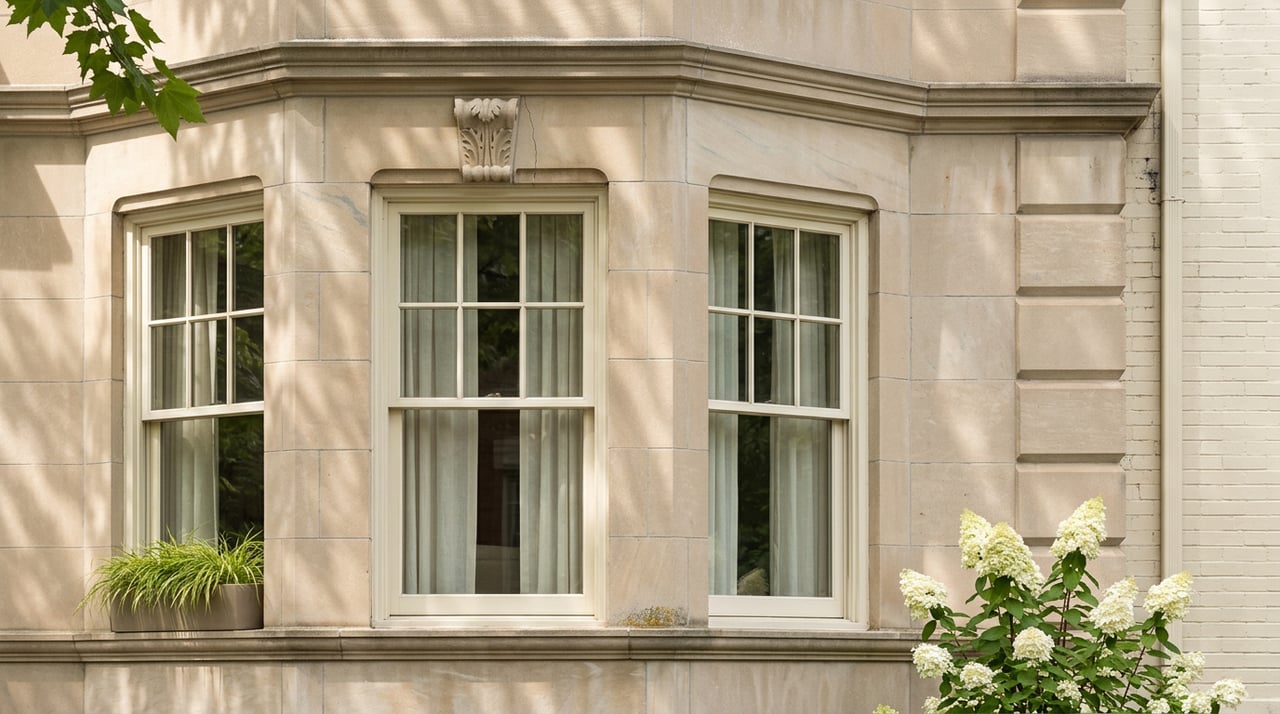
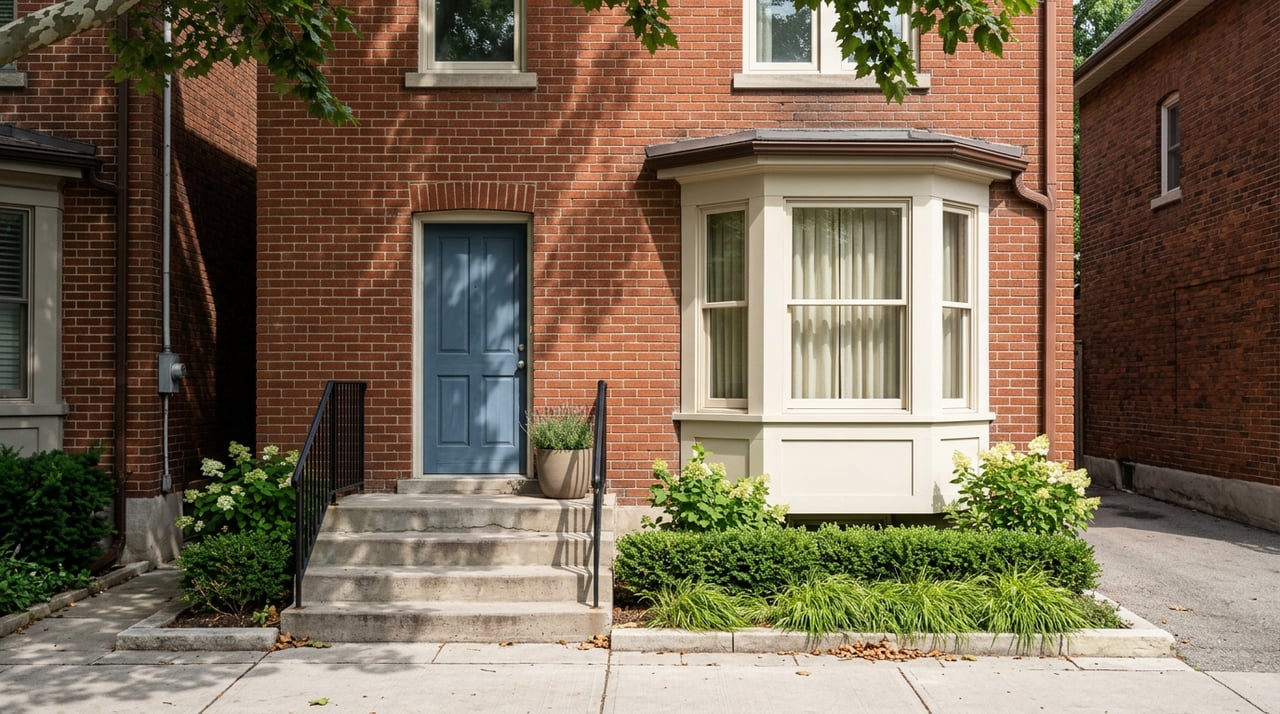
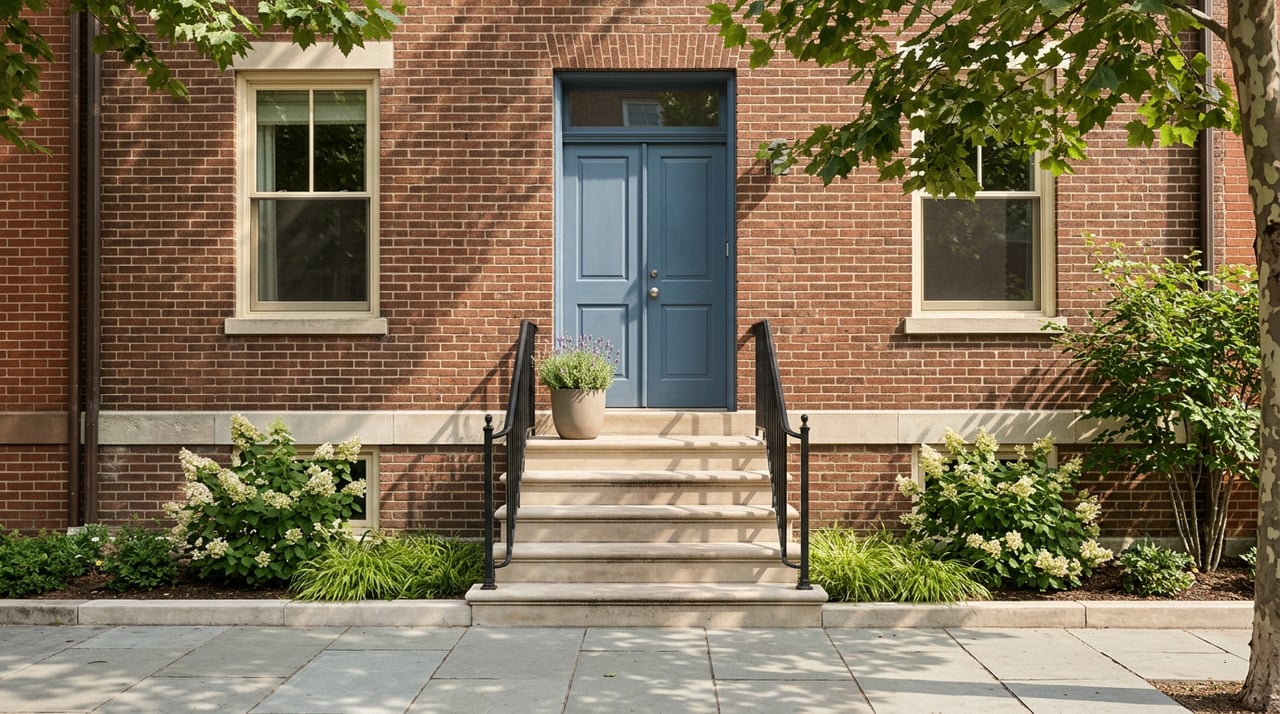
In Park Slope, that often means balancing lifestyle with a housing stock that is older, lower-rise, and more varied than many buyers expect. The neighborhood is known for its brownstones, prewar co-ops, and historic architecture, with fewer condos than condo-heavy parts of Brooklyn.
That local housing mix matters. In many cases, right-sizing in Park Slope is less about leaving the market and more about shifting from one property type to another.
Why Park Slope is unique
Park Slope has a strong identity shaped by Prospect Park, historic streetscapes, and a large number of house and co-op buildings. Prospect Park itself spans 526.25 acres, which gives many residents a major outdoor amenity close to home.
That can change the way you think about space. If you spend a lot of time walking, relaxing, or meeting friends in the park, you may not need as much private outdoor or indoor space as you once did.
The neighborhood also includes many landmarked blocks. The Park Slope Historic District was designated in 1973, and buildings in historic districts are subject to the Landmarks Law, which means many exterior changes require LPC approval.
For some homeowners, that is part of the charm. For others, it is a reason to consider a lower-maintenance building where exterior upkeep is handled differently.
The most common right-sizing goals
Your version of right-sizing may look very different from someone else’s. In Park Slope, these are some of the most practical goals homeowners tend to weigh:
- Fewer stairs each day
- Less exterior maintenance
- Lower upkeep demands
- A simpler layout
- Better access to transit
- More predictable monthly housing costs
- Staying close to Prospect Park and familiar blocks
Sometimes the goal is to downsize square footage. Other times, it is to keep similar space but move into a building that is easier to manage.
Property types to compare
Brownstones and townhouses
A townhouse can offer space, storage, and privacy, but it often comes with more maintenance and more stairs. In Park Slope, brownstones can also sit within historic districts, which adds another layer when exterior work is needed.
If you own a larger house and no longer use every floor the same way, it may be worth asking whether the space still serves you. A right-sized move could free you from the demands of maintaining a full building while keeping you in the same neighborhood.
Co-ops in converted houses
Park Slope has many co-ops created from converted two-, three-, and four-unit brownstones. These homes can offer neighborhood character and a more manageable footprint, especially for owners who want to stay on a rowhouse block without keeping an entire building.
That said, each building operates differently. Monthly costs, building rules, and the way expenses are shared can vary, so it is important to understand the specifics before you make a move.
Elevator apartment buildings
For homeowners focused on mobility and convenience, elevator buildings can be especially appealing. CooperatorNews notes that Park Slope includes elevator apartment buildings, which can be an important option for reducing daily stair use without leaving the neighborhood.
This can be one of the clearest examples of right-sizing. You may trade some private square footage for easier access, simpler upkeep, and a more comfortable day-to-day routine.
Condos
Condos are part of the conversation, but they are not the dominant product type in Park Slope. The neighborhood has relatively few condos compared with its supply of houses and co-ops.
That thinner inventory means you may need to be patient if a condo is your target. If flexibility matters, it can help to compare condos with co-ops and elevator buildings rather than focusing on one category alone.
Where apartment-style options are more likely
Park Slope’s side streets are heavily rowhouse-oriented, and zoning helps preserve that scale. NYC Planning notes that R6B districts in the neighborhood are intended to preserve older rowhouse blocks.
That is one reason many apartment-style options are more likely to appear on broader corridors and in areas tied to newer development patterns. The 2003 rezoning goals included preserving the scale of brownstone neighborhoods while creating more residential and commercial opportunities on Fourth Avenue.
If you are right-sizing, location within Park Slope can matter as much as the unit itself. A different part of the neighborhood may offer a building type that better fits your current needs.
Transit and mobility matter more than ever
Square footage is only one part of the decision. In Park Slope, daily mobility can be just as important.
The MTA neighborhood map shows access points including 4 Av-9 St, 7 Av, Union St, and Atlantic Av-Barclays Center, along with the B61 bus through the neighborhood toward Downtown Brooklyn. If you want a shorter walk, fewer stairs, or easier errands, your exact block can have a major effect on quality of life.
When you tour potential homes, think beyond the apartment itself. Consider the walk to the subway, the building entry, the number of interior steps, and how easy the route feels on an ordinary weekday.
How monthly costs can change
A move to a smaller home does not always mean a lower monthly payment. In Park Slope, carrying costs can shift significantly depending on whether you move into a co-op, condo, or another townhouse.
For example, NYC Finance lists the FY 2026 Class 2 property tax rate at 12.439%. For co-ops, owners do not receive the tax bill directly. The board receives it and allocates that cost through common charges. Condo owners, by contrast, receive bills for their individual units.
That distinction matters when you compare listings. One home may look more affordable on paper, but the monthly structure can be very different once you factor in maintenance, common charges, and taxes.
Tax relief programs to ask about
Some homeowners may also want to ask whether a building participates in the co-op or condo tax abatement program. The building must apply, and eligibility matters.
If the home will be your primary residence, the STAR benefit may also be relevant. The basic STAR credit income limit is $500,000, and enhanced STAR for seniors age 65 and older applies at $110,750 or less for the 2026-2027 school year.
Closing costs can shape the plan
Park Slope pricing means closing costs deserve early attention. Recent market snapshots point to a premium market, with Redfin reporting a median sale price of $1.861 million for the three months ending May 2026, while Realtor.com reported a median listing price of $1.7 million in May 2026.
At these price points, transfer taxes and purchase taxes can be meaningful. NYC’s Real Property Transfer Tax is 1% at $500,000 or less and 1.425% above that amount, including transfers of cooperative housing shares. New York State also imposes an additional 1% mansion tax on residential transfers of $1 million or more.
If you finance your purchase, mortgage recording tax may also affect your budget. For many Park Slope homeowners, these costs are not side notes. They are a key part of deciding what kind of move is realistic.
Questions to ask before you right-size
Before you list your current home or start touring, it helps to get clear on what you are solving for. A thoughtful plan usually starts with questions like these:
- How many stairs feel manageable every day?
- Would an elevator improve your routine enough to justify a higher monthly cost?
- Do you want the building to handle exterior maintenance?
- Are you comfortable with co-op rules and review processes?
- Do you want to stay near Prospect Park or specific transit stops?
- Is lower maintenance more important than maximizing square footage?
- If you stay in a historic district, are you comfortable with LPC review for exterior work?
The clearer your answers, the easier it becomes to narrow the search. In a neighborhood with a segmented housing stock, clarity saves time.
Should you sell first or buy first?
This is one of the biggest right-sizing decisions in Park Slope. In general, many owners end up choosing between selling first and using temporary housing if needed, or buying first and managing two closings at once.
Neither path is automatically better. The right choice depends on your equity, financing, timeline, and how quickly you find the right replacement home.
Recent data suggest Park Slope has enough inventory to offer options, with 227 properties for sale in May 2026 according to Realtor.com, but prices remain high and the housing mix is segmented. That means the sequence of your move can matter just as much as the target home itself.
A smart Park Slope right-sizing strategy
A strong plan usually starts with your current home, not the next one. You need a realistic sense of value, the likely buyer pool, and how your sale could position you for the next purchase.
From there, compare property types instead of focusing only on size. In Park Slope, the real tradeoff is often house versus co-op, or walk-up versus elevator, rather than large versus small.
Most of all, keep the neighborhood lens in view. Right-sizing works best when it reflects how you actually live in Park Slope, from your park routine to your transit habits to the level of maintenance you want to carry forward.
If you are thinking about a move, the right guidance can help you compare options, time the sale and purchase thoughtfully, and make a decision that feels practical now and sustainable later. For a personalized strategy, connect with Erika Sackin / Jan Rosenberg for a free home valuation and consultation.
FAQs
What does right-sizing a home in Park Slope mean?
- Right-sizing in Park Slope means choosing a home that better fits your current lifestyle, budget, mobility needs, and maintenance preferences, which may or may not mean moving to a smaller space.
What housing types are common for right-sizing in Park Slope?
- Many right-sizing moves in Park Slope involve shifting from a townhouse to a co-op, elevator apartment building, or a less maintenance-heavy property type, since the neighborhood has many houses and co-ops but relatively few condos.
What should Park Slope homeowners know about landmarked properties?
- In Park Slope historic districts, many exterior alterations require LPC approval, so homeowners considering staying in or buying a landmarked property should factor those rules into future maintenance and renovation plans.
How do co-op and condo taxes work in Park Slope?
- In co-ops, the board receives the property tax bill and allocates the cost through common charges, while condo owners receive bills for their individual units.
What closing costs matter when buying a right-sized home in Park Slope?
- Depending on price and financing, key costs may include NYC Real Property Transfer Tax, the New York State mansion tax on purchases of $1 million or more, and mortgage recording tax if you finance the purchase.
Is it better to sell first or buy first when right-sizing in Park Slope?
- The best sequence depends on your equity, financing, timeline, and the type of replacement home you want, since Park Slope remains a premium market with a segmented mix of available homes.