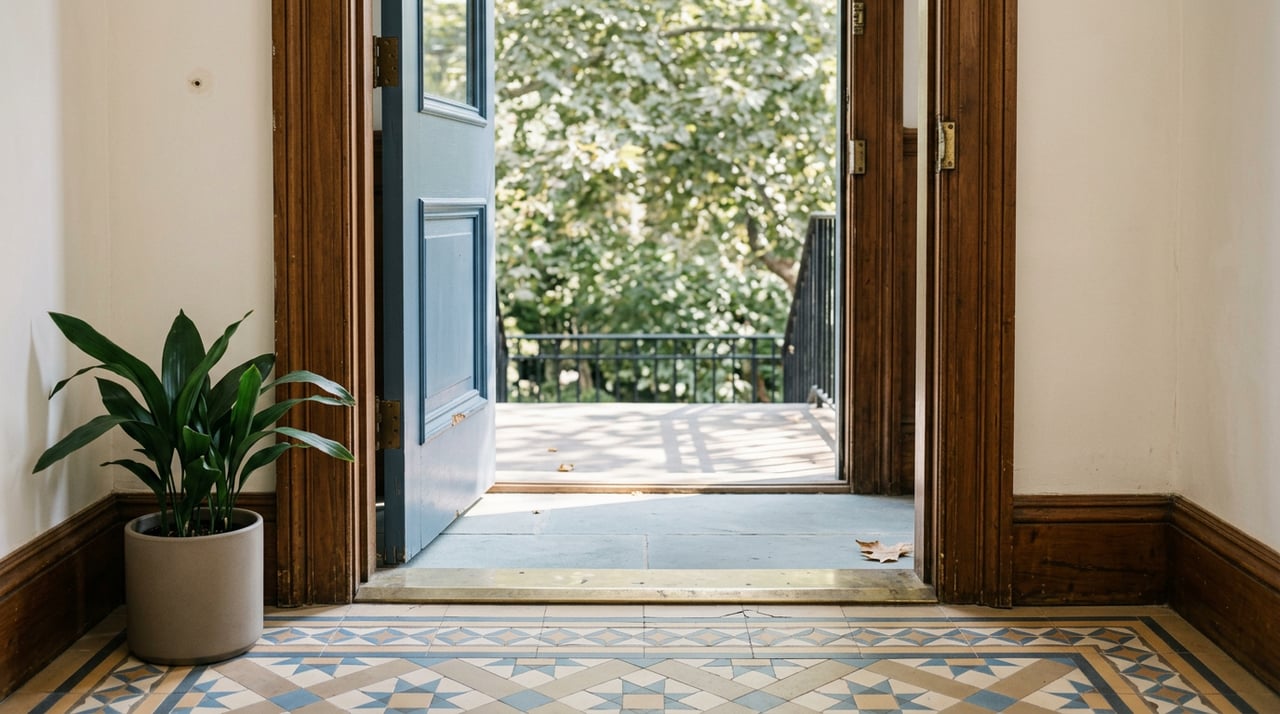
Ditmas Park set a new price record this spring. A 1904 Colonial Revival at 1221 Albemarle Road, built by architect William C. Lauritzen, sold for $6.25 million in March 2026, $250,000 over its final asking price, according to The Real Deal. The listing leaned on the house's original parquet floors, its central staircase, its stained glass, its library with a rolling ladder. Every one of those features sits inside a historic district, which means every one of those features is also something the seller could not have touched, replaced, or "refreshed" without a permit from a city agency most buyers have never heard of.
That's the part the record sale doesn't advertise. The Landmarks Preservation Commission doesn't just protect these houses after they sell. It shapes what a seller can prep beforehand and what a buyer can plan for afterward, on a timeline that has nothing to do with mortgage rates or bidding wars.
The Record Sale, and the Paperwork Underneath It
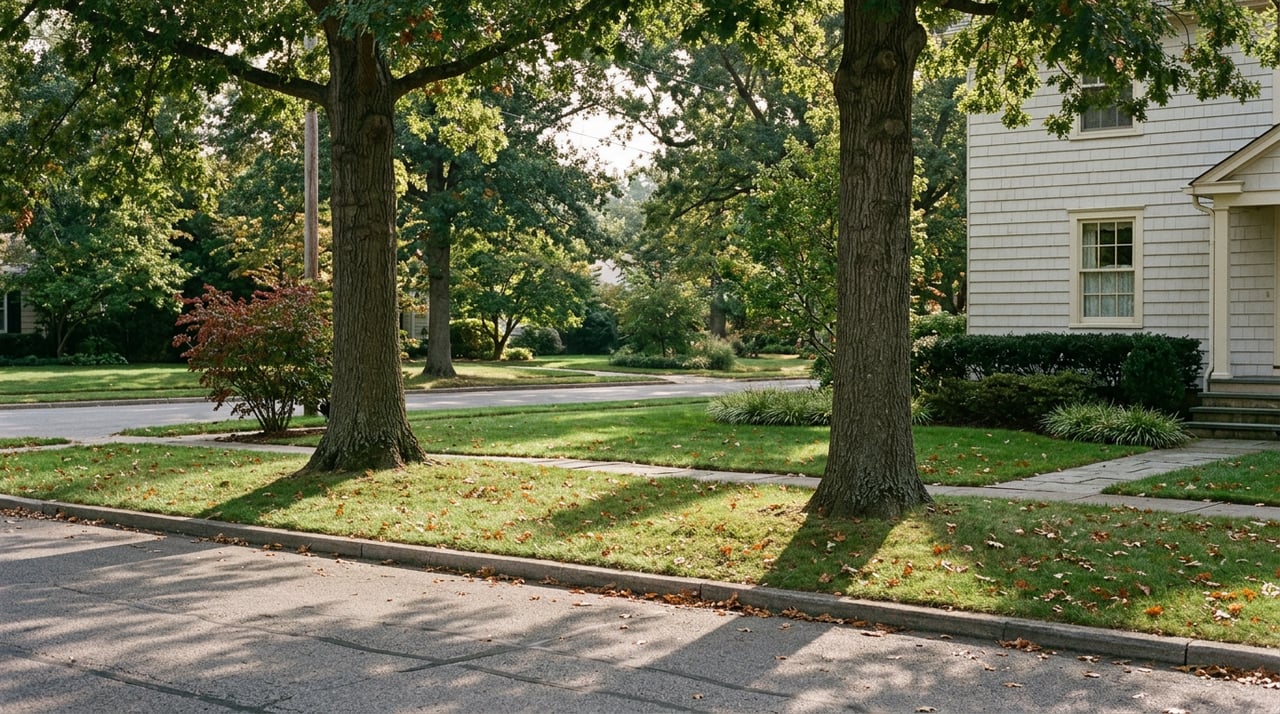
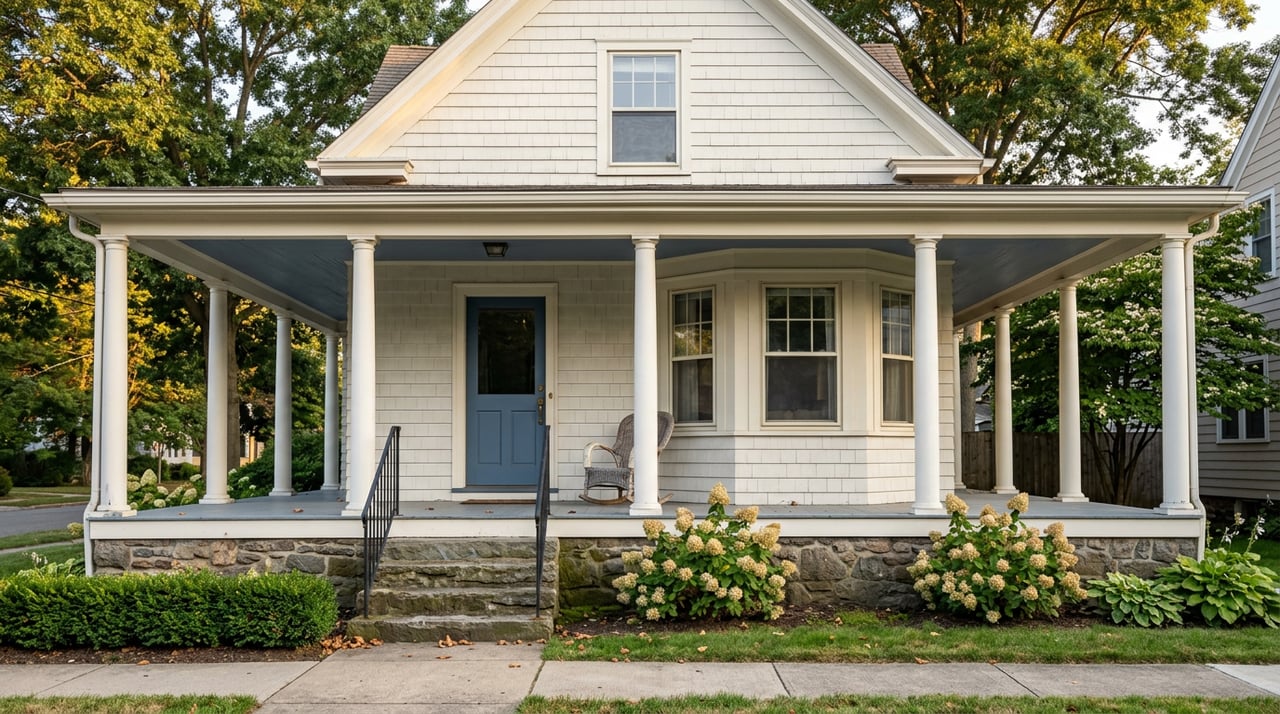
Ditmas Park's most valuable homes are valuable specifically because of the details the Landmarks Law regulates. Wraparound porches. Original wood siding and shingle facades. Leaded and stained glass. Turrets and hipped roofs. These are the exact features the Landmarks Preservation Commission reviews before anyone can alter them, because the commission's job is to keep a designated district looking like a designated district.
The Ditmas Park Historic District (LP-1236) was designated on July 28, 1981, and listed on the National Register of Historic Places two years later. It traces back to 1902, when realtor Lewis H. Pounds bought a section of former farmland and began selling lots to builders who put up freestanding, two-story frame houses, mostly in the Colonial Revival style, with a scattering of Tudor Revival homes and what preservation group HDC calls one of the best rows of Craftsman bungalows on the East Coast.
None of that history shows up in a listing description. What it means in practice is this: the parquet floor and the stained glass that helped 1221 Albemarle clear $6.25 million are also line items on an LPC permit application the moment anyone wants to restore, replace, or repair them.
A house doesn't become easier to sell because it's landmarked. It becomes harder to alter without a paper trail, and that paper trail is exactly what protects the price.
Two Approval Tracks, Two Very Different Waits
Not every repair triggers the same review. The commission runs a tiered system, and the tier determines whether a seller is looking at a two-week wait or a project that outlasts the listing itself.
| Track | What it covers | Typical timeline |
|---|---|---|
| Permit of No Effect / Certificate of No Effect | Like-for-like repairs using matching materials and methods | A few days to a few weeks |
| Certificate of Appropriateness, staff-level | Minor visible changes that already meet LPC's published rules | Can be issued on first review if the application is complete |
| Certificate of Appropriateness, full Commission hearing | Additions, facade changes, and anything outside the standard rules | Four to twelve weeks by one preservation contractor's estimate, though architects who file these regularly describe full hearings stretching several months depending on the commission's calendar |
The gap between those first two rows and the last one is the entire story. A homeowner who needs to re-shingle a roof with the same wood shingle profile is in a different world than one who wants to enclose a porch or swap out original windows for something more energy efficient. The second homeowner may need a public hearing, not just a staff sign-off, and a hearing means waiting for a commission calendar, not a contractor's schedule.
A Department of Buildings permit does not substitute for LPC approval, and one does not imply the other. Both are usually required for exterior work, which is a detail that trips up buyers who assume a DOB permit means they're cleared to start.
The District Is Not a Fixed Line on a Map
Here is the part that surprises even longtime residents. Landmark protection in Victorian Flatbush has been actively expanding, not sitting still. The commission has designated the Beverley Square West and Ditmas Park West Historic Districts, together covering 247 freestanding homes built between 1894 and 1910 in Queen Anne and Colonial Revival styles, according to 6sqft. A third district, Melrose Parkside, covering 38 homes on Parkside Avenue in neighboring Prospect Lefferts Gardens, has also gone through the same process.
For a seller, that matters two ways. If a house sits inside one of these newer districts, the same CoA rules apply even though the address doesn't carry the older, more familiar "Ditmas Park Historic District" name. And if a house sits just outside a current boundary, treating that as permanent is a bet, not a fact. The last several years have shown that Victorian Flatbush's protected footprint moves in one direction.
What This Actually Requires Before You List
A few specifics that change how a listing should be prepared, not just described:
- If exterior work is pending or half finished, get it resolved before the photos go up. A pre-application meeting with LPC staff can tell you whether a proposed repair will clear at the staff level or need a full hearing, before you commission drawings or set a listing date around it.
- Closed-out projects need a Notice of Compliance, not just a finished look. After LPC-approved work wraps, the owner has to submit as-built drawings, photos, and a signed letter confirming the work matched the permit. A house that looks finished but never got that final sign-off has an open item that a buyer's attorney will eventually find.
- Violations accrue penalties daily and can force a restoration to prior condition. This is the detail that matters most for estate and absentee sales, where the person listing the house didn't do the renovation and may not know its full paper trail. A porch enclosure or a window swap done decades ago without a permit doesn't disappear when the owner passes the house on. It becomes the next owner's problem, and increasingly, the next buyer's attorney asks about it directly.
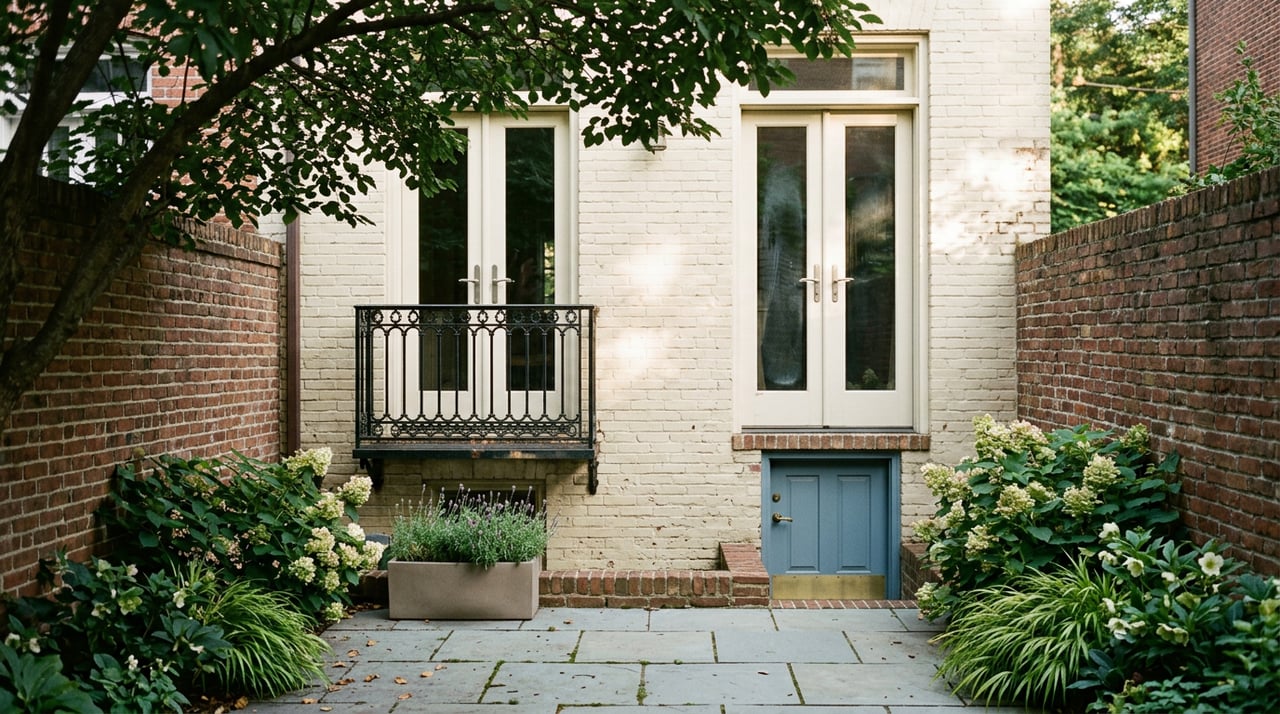
- Interior work is usually less regulated, unless it touches the exterior. A kitchen renovation behind a landmarked facade typically doesn't need LPC sign-off on its own. The line gets blurry the moment a project changes a window opening, a door, or anything visible from the street.
FAQ
Does every renovation inside a landmarked house need LPC approval? No. Interior work that doesn't affect the exterior generally falls outside LPC review and only needs standard Department of Buildings permits. The moment a project changes anything visible from the street, from a window to a porch rail, LPC review applies.
What if my house isn't currently in a historic district? Given how much Victorian Flatbush's landmarked footprint has grown in recent years, with Beverley Square West, Ditmas Park West, and Melrose Parkside all added to the map, it's worth checking your address against the current boundary rather than assuming last year's status still holds.
Does landmark status hurt resale value? The record sale at 1221 Albemarle Road suggests otherwise. The features under LPC protection, meaning original woodwork, stained glass, and intact facades, are the same features buyers are paying a premium for. The status changes the process of altering a house, not the market's appetite for what's already there.
What happens if a previous owner did work without LPC sign-off? That's the scenario estate executors and out-of-area sellers run into most. An open violation or a missing Notice of Compliance doesn't expire. It stays with the property and surfaces during due diligence, which is exactly why a pre-listing review matters more here than in a neighborhood without landmark rules.
Selling or buying a landmarked Victorian in Ditmas Park means selling the paperwork along with the porch. If you're weighing a listing this fall, or you've inherited a house in Victorian Flatbush and aren't sure what past work was ever closed out with the city, the Rosenberg Sackin Team has spent years walking sellers through exactly this process. Reach out for a free home valuation and consultation before you set a listing date around a permit timeline you haven't checked yet.