Say you're under contract on a freestanding Victorian in Prospect Park South at $1,995,000. Your attorney calls with a suggestion: ask the seller to hold the price right there. Five thousand dollars higher, at an even $2,000,000, and your closing costs jump by roughly $5,000 in mansion tax alone. Not because the house changed. Not because anything about the deal changed. Because New York's mansion tax doesn't work like an income tax bracket, where only the dollars above a line get taxed at the higher rate. It applies the higher rate to the entire purchase price, the moment you cross the line. One dollar of sale price can cost you thousands.
That cliff exists everywhere in New York City. What makes it worth a closer look in Prospect Park South specifically is where the neighborhood's real housing stock sits relative to those lines, and how badly the neighborhood's headline median price obscures that fact for anyone comparing this area to others on a portal.
Two Neighborhoods, One Name
Search "Prospect Park South" on any listing site and you'll get a median sale price hovering around $720,000, based on recent closed and active listings tracked through this summer. That number is real. It's also almost useless if what you're actually shopping for is the house Prospect Park South is famous for.
The $720,000 figure is dragged down by a genuinely different product: small condo units in mid-rise buildings along Ocean Avenue, the kind of one and two-bedroom apartments that make up a meaningful share of what's actually listed in the area at any given time. A 880-square-foot two-bedroom at 608 Ocean Avenue, for example, was listed this summer at $920,000, a fairly typical price for that building type.
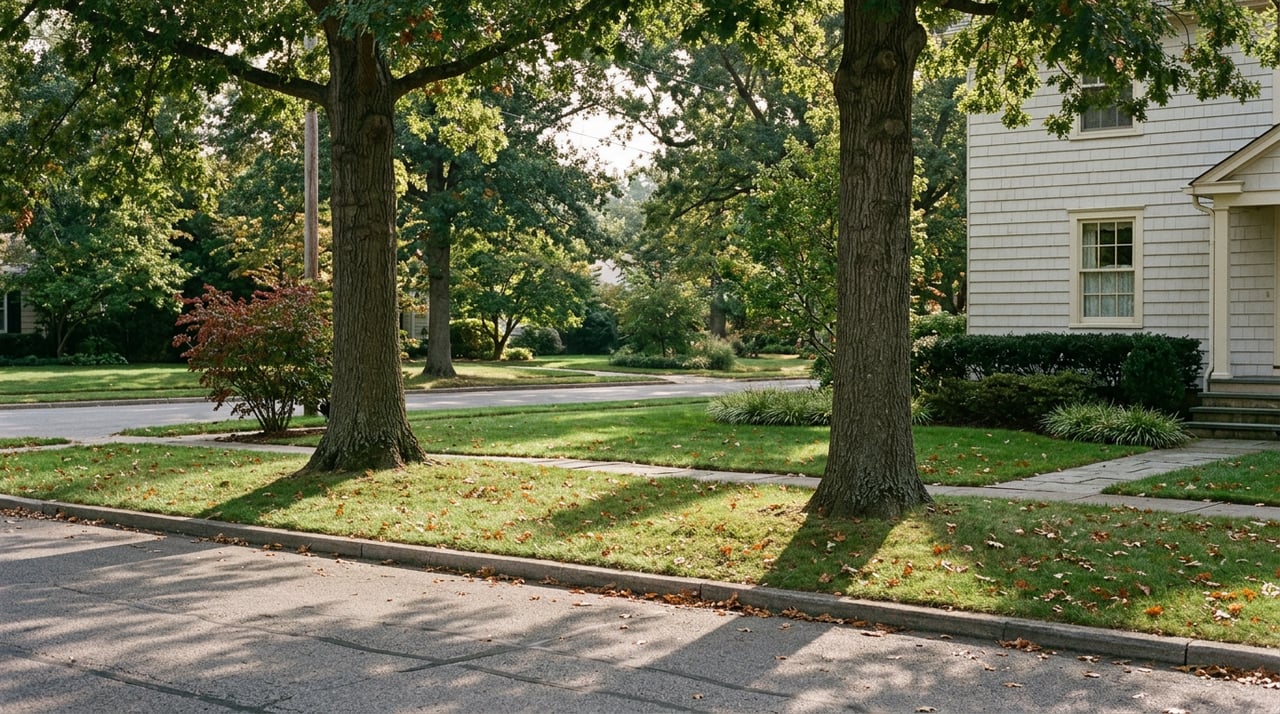
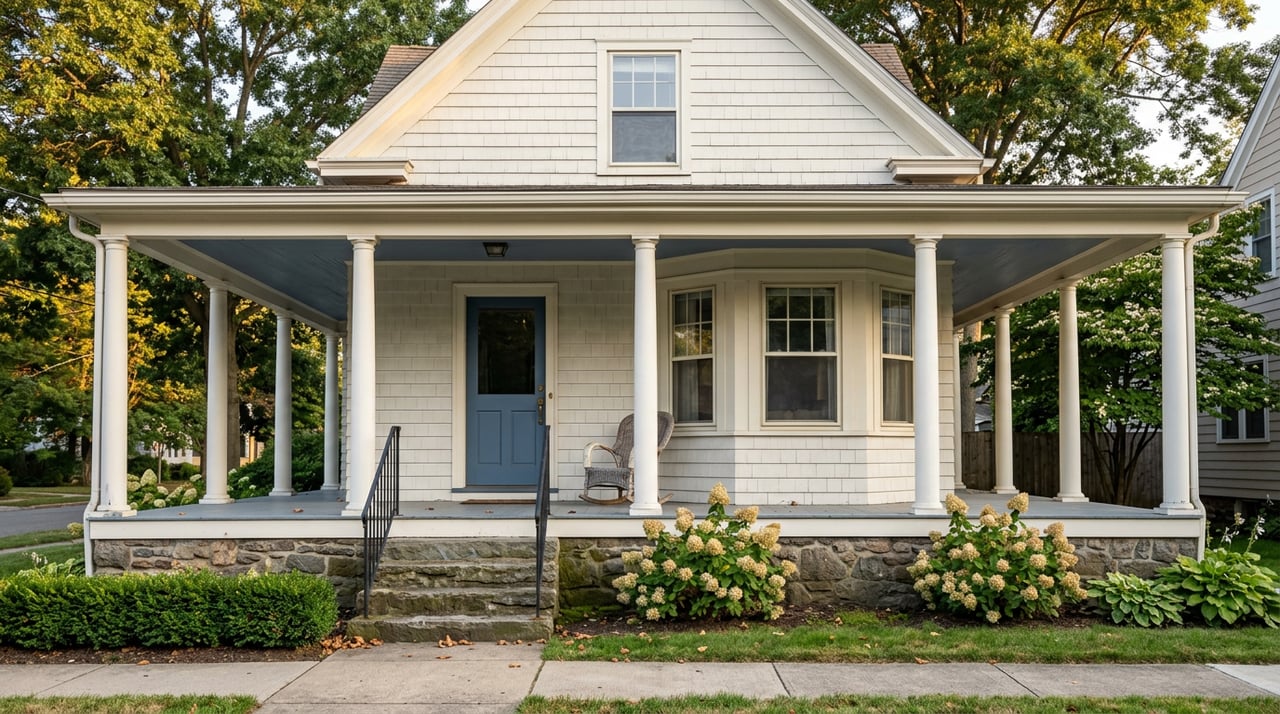
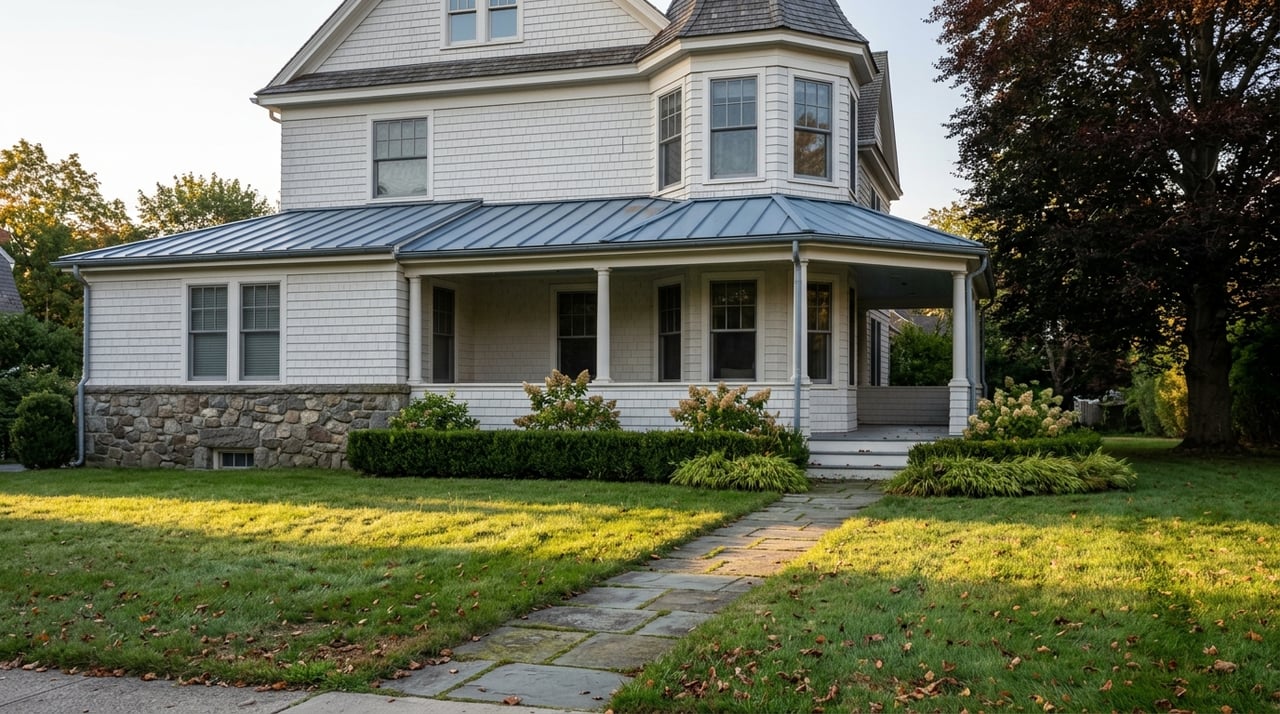
Walk two or three blocks off Ocean Avenue into the actual historic district, though, and you're in a different market entirely. This is the neighborhood of freestanding, architect-designed Victorians on wide, tree-lined streets like Albemarle Road, Argyle Road, and Marlborough Road, the houses with the Queen Anne turrets and Tudor Revival half-timbering that show up in every feature story about this pocket of Brooklyn. A two-unit Victorian on Beverley Road sold for $2,200,000. A restored seven-bedroom on Argyle Road listed at $2,825,000. A three-story, 3,400-square-foot house on Marlborough Road came to market at $2,995,000. At the very top of the range, the neighborhood's best-known estate, the 1905 Gale Mansion on Albemarle Road, listed for just under $13 million when it hit the market, a scale of home that has more in common with a Hamptons estate than with a Brooklyn condo.
So when a buyer sees "$720,000 median" and assumes that's roughly what a Prospect Park South house costs, they're comparing the wrong product. The median is answering a question about the neighborhood's condo inventory. The historic district, the reason most buyers are looking at this pocket of Brooklyn in the first place, is a completely separate price tier that the median never surfaces.
Where the Cliffs Actually Sit
Here's why that distinction matters beyond simple sticker shock. The homes that make up the historic district cluster in a price range, roughly $2 million to $3 million, that lines up almost exactly with two of New York's mansion tax brackets.
The current rate structure, unchanged since 2019 and still the law as of this writing in August 2026, looks like this for New York City residential purchases:
| Purchase Price | Mansion Tax Rate | Tax on a Sale at the Top of the Range |
|---|---|---|
| Under $1,000,000 | 0% | $0 |
| $1,000,000 – $1,999,999 | 1.0% | $19,999.99 at $1,999,999 |
| $2,000,000 – $2,999,999 | 1.25% | $37,499.99 at $2,999,999 |
| $3,000,000 – $4,999,999 | 1.5% | $74,999.99 at $4,999,999 |
| $5,000,000 – $9,999,999 | 2.25% | $112,500 at $5,000,000 |
The rate applies to the whole sale price, not just the portion above the threshold. That's the part that trips people up. A house at $1,999,999 owes $19,999.99. The identical house at $2,000,000 owes $25,000. Five thousand dollars more in price costs the buyer more than a thousand dollars extra in tax on top of that five thousand, a combined hit of roughly $5,000 in additional tax alone for crossing a single line.
Run that math against the actual Prospect Park South comps. The Beverley Road two-unit at $2,200,000 sits inside the 1.25% bracket, generating a mansion tax bill around $27,500. The Marlborough Road listing at $2,995,000 sits at the very edge of that same bracket. Had that house priced at an even $3,000,000 instead, the buyer's mansion tax would have jumped from about $37,437 to $45,000, a difference of roughly $7,500 for five thousand dollars of additional price. That's the kind of gap that shows up in a negotiation, particularly on a house priced close enough to a line that a modest concession or a slightly aggressive ask can move it across.
This is precisely why an experienced local eye matters more here than the math alone suggests. A price negotiated to $2,995,000 instead of $3,000,000 saves a buyer real money at closing without costing the seller anything they'd have actually collected, since a buyer weighing an extra $7,500 in tax often needs that room to make the deal work at all.
The Legislative Wrinkle Worth Watching
There's a second layer to this that a buyer or seller working with an out-of-town attorney might not know to ask about. Earlier this year, both chambers of the state Legislature included proposals in their one-house budgets to restructure the mansion tax significantly, raising rates across nearly every bracket and, notably, introducing a new 1.425% rate on sales under $1 million that currently owe nothing at all. Those changes generated real momentum through the spring budget season but were ultimately dropped before the final budget passed. As of August 2026, the original 2019 rate schedule remains the law, unchanged.
That's worth knowing not because anything is currently different, but because it wasn't a given. If you're pricing a listing or shaping an offer anywhere near one of these thresholds, it's worth asking your attorney to confirm the current rate at the time you're actually signing, since this remains an area state lawmakers have shown genuine appetite to revisit.
What This Means If You're Pricing a Sale or Shaping an Offer
If you're selling a historic-district Victorian, the lesson isn't to price defensively below every threshold out of caution. It's to know, going in, that a listing price sitting exactly on a cliff line changes the buyer pool you're negotiating with. A house at $2,995,000 and a house at $3,050,000 might look nearly identical on paper, but the second one is asking its buyer to absorb a meaningfully larger tax bill for a marginal difference in price, and sophisticated buyers price that in when they make an offer.
If you're buying, it means the sale price you negotiate isn't the number that determines your total cost. The mansion tax bracket that sale price lands in does. A seller willing to hold firm at $1,995,000 instead of pushing to $2,000,000 is effectively handing you back roughly $5,000 in avoided tax, money that never shows up as a line item in the negotiation but shows up in your closing statement either way.
And regardless of which side of the table you're on, the headline median price for Prospect Park South tells you almost nothing about either scenario. It's measuring a different market than the one where these decisions actually play out.
A Few Common Questions
Does the mansion tax apply differently to co-ops than to the freestanding houses in the historic district? No. The tax applies equally to condos, co-ops, townhouses, and one to three family homes anywhere in the five boroughs. There's no exemption tied to property type.
Who actually pays it? The buyer, at closing, as a one-time cost. It's separate from the transfer taxes the seller typically pays, and separate from your annual property tax bill.
Is the neighborhood-wide median a fair number to use when budgeting for a historic-district house? Not really. It blends two genuinely different housing products, small condo units and large freestanding Victorians, into a single figure that doesn't represent either one accurately on its own.
Could the rates change again before I close? They could, at least in theory. This year's legislative session showed real appetite in Albany for restructuring the tax, even though the specific proposals didn't pass. Confirming the current rate with your attorney at contract, rather than assuming it hasn't moved, is a reasonable habit in this environment.
If you're weighing a purchase or a sale in Prospect Park South's historic core and want a read on where a specific address actually falls relative to these thresholds, that's exactly the kind of block-by-block, house-by-house conversation the Rosenberg Sackin Team has with clients every week. Reach out for a free home valuation and consultation, and we'll walk through the real numbers for your specific situation, not the neighborhood average.