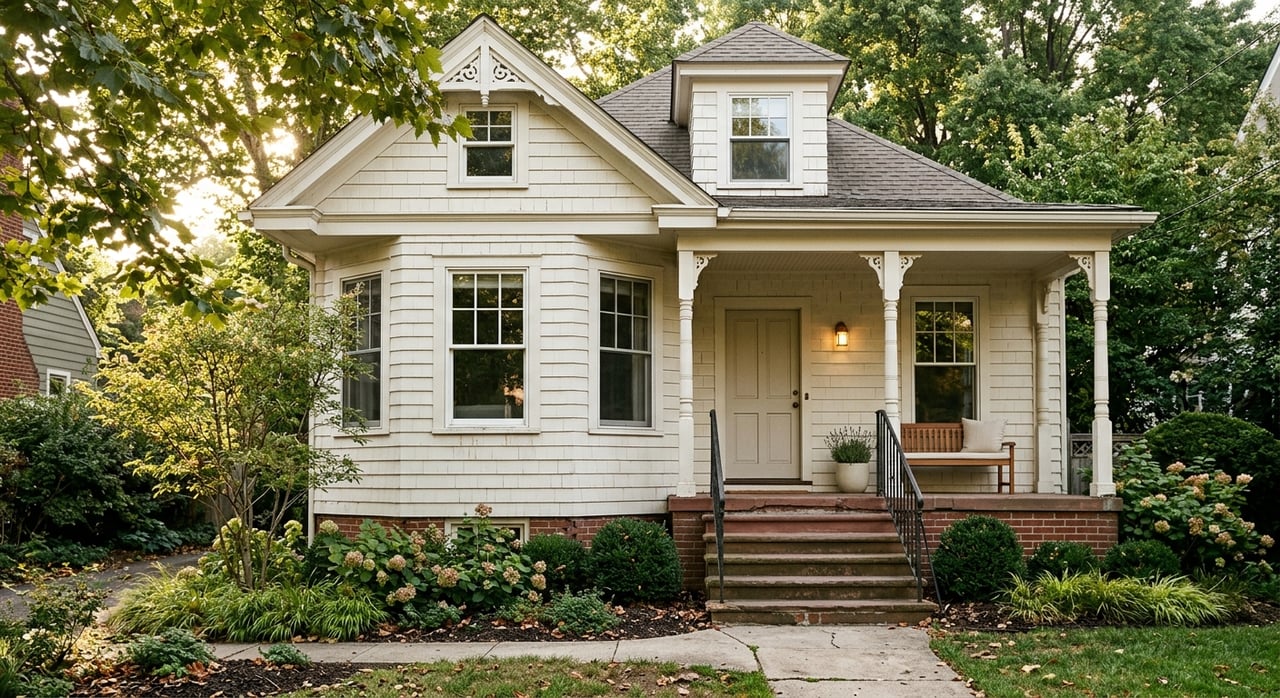
If you are thinking about buying in Brooklyn but want something that feels a little quieter, greener, and more distinctive, Prospect Park South deserves a close look. This is one of those neighborhoods that can feel surprisingly tucked away, even though it sits near major transit and just off Prospect Park. If you are trying to understand what you can buy here, how the housing stock differs from nearby areas, and what to watch for before you make an offer, this guide will help you move forward with more confidence. Let’s dive in.
Why buyers notice Prospect Park South
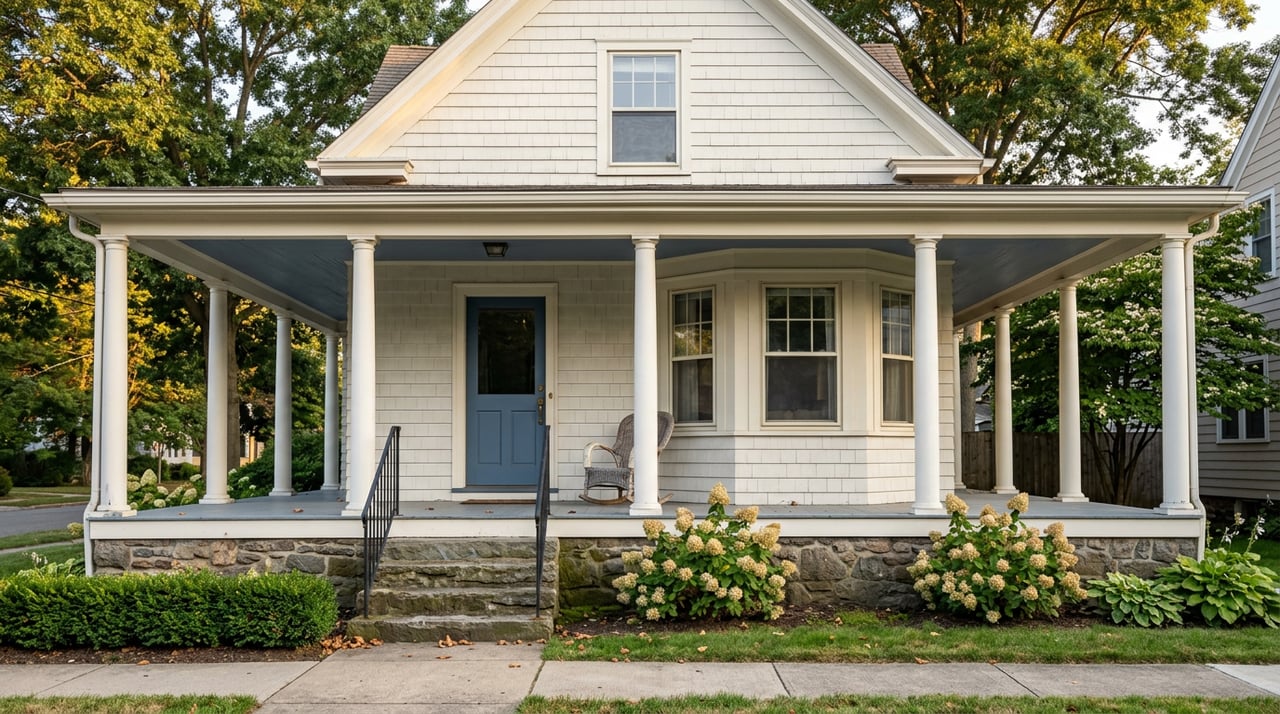
Prospect Park South is a small Victorian Flatbush enclave in Brooklyn, roughly bounded by Church Avenue, Beverley Road, Stratford Road, and Buckingham Road. According to the Prospect Park South Association, the neighborhood includes about 206 homes developed around 1899 by Dean Alvord, with period styles that include Queen Anne, Italianate, Colonial Revival, and Tudor.
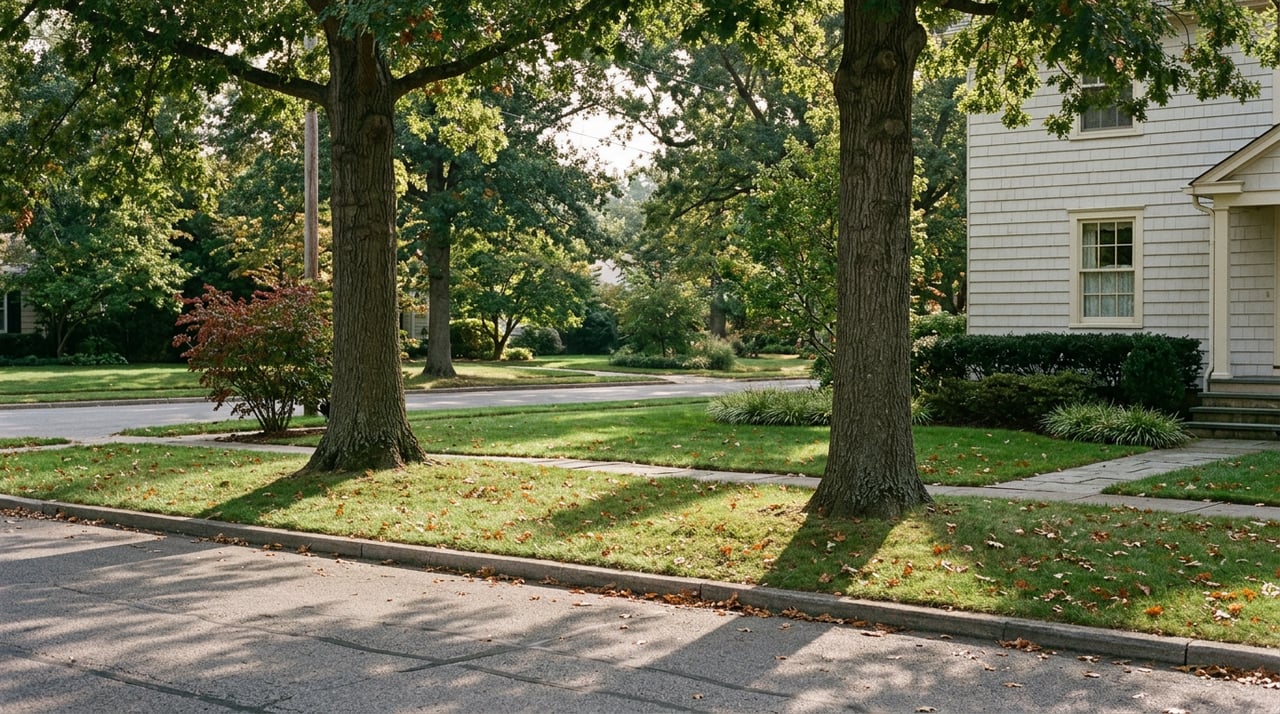
That architectural character is a big part of the draw. StreetEasy describes the area as having a small-town feel, with freestanding houses and wide, tree-lined streets. For buyers who want a Brooklyn address with a more residential streetscape, that combination can feel especially appealing.
Location and daily convenience
One reason Prospect Park South stands out is that it offers a calm residential setting without feeling cut off. The neighborhood sits near Prospect Park and the Parade Grounds, which gives you easy access to open space and recreation.
For getting around, the MTA lists nearby B and Q stations at Prospect Park, Church Av, Beverly Rd, and Cortelyou Rd. That means you can still stay connected to the rest of Brooklyn and Manhattan while living in a lower-density pocket of the borough.
Commercial space inside the neighborhood itself is limited. StreetEasy notes that routine shopping trips often head toward Cortelyou Road, so if you are considering a purchase here, it helps to think about how you like to run errands and what kind of street activity you want right outside your door.
What homes look like here
Prospect Park South is not a one-note housing market. The neighborhood is known for detached historic houses, but current listings also include co-ops and condos in the broader area snapshot.
That mix matters because your buying process can look very different depending on the property type. A freestanding house in the historic district comes with a different set of maintenance questions and rules than a co-op apartment or condo.
If you love original architecture, this neighborhood offers a lot to explore. If you prefer lower-maintenance living, you may still find options that give you access to the location and neighborhood feel without taking on the responsibilities of a full house.
Historic district rules buyers should know
The core of Prospect Park South is the Prospect Park South Historic District, which the Landmarks Preservation Commission designated in 1979. That does not mean properties are frozen in time, but it does mean that many exterior changes require review and approval.
According to NYC Landmarks guidance, LPC approval is generally required for most exterior alterations, reconstructions, demolitions, or new construction affecting designated buildings. Ordinary interior work generally does not need LPC review. For buyers, the practical takeaway is simple: if you are dreaming about changing windows, reworking a porch, altering siding, or expanding a structure, you should confirm what approvals may be needed before you buy.
This is especially important in a neighborhood where curb appeal and historic detail are such a defining part of the streetscape. A house may offer exciting potential, but the path to making visible changes can be more structured than in a non-landmarked area.
Zoning matters more than many buyers expect
In New York City, zoning is parcel-specific. The city states that zoning regulates use, building size, and density, and much development happens as-of-right.
For a buyer, that means you should not assume what can be built, added, or altered based on a quick glance at the block. You will want to verify the exact zoning for the property you are considering in ZoLa and understand how that zoning interacts with landmark rules if the property is in the historic district.
This can affect future renovation plans, extension ideas, and even how you think about nearby development. It is one of those details that can make a major difference in how a property fits your long-term goals.
Market snapshot: what prices look like
Because Prospect Park South is small, pricing snapshots can move around more than they do in larger neighborhoods. That is why it is smarter to think in ranges and current inventory patterns rather than assume there is one single “right” neighborhood number.
As of May 30, 2026, StreetEasy showed 20 homes for sale in Prospect Park South, with a median asking price of $647,000, a median of $829 per square foot, and a median home size of 730.5 square feet. The same current snapshot showed active medians around $550,000 for one-bedroom condos, $645,000 for two-bedroom condos, $575,000 for one-bedroom co-ops, and $850,000 for two-bedroom co-ops. Three-bedroom and larger inventory was around $1.45 million in that snapshot.
Zillow’s home-value page, updated April 30, 2026, put the average home value at $885,597, down 1.7% year over year. These figures are best viewed as complementary, not conflicting, because they measure different things. StreetEasy reflects active listing medians, while Zillow’s number is a broader typical home value estimate.
How Prospect Park South compares nearby
On a per-square-foot basis, StreetEasy placed Prospect Park South at $698 per square foot. In the same comparison set, Prospect Lefferts Gardens was $821 per square foot, Flatbush was $472, Windsor Terrace was $874, and Ditmas Park was $559.
That suggests Prospect Park South sits in a middle lane in this part of Brooklyn. In this snapshot, it reads as pricier than Flatbush and Ditmas Park on a per-square-foot basis, while still coming in below Windsor Terrace and Prospect Lefferts Gardens.
For buyers, that can make the neighborhood worth a closer look if you want a distinctive housing stock and strong park access without shopping at the top of the nearby price range. Still, because inventory is limited, each listing can have an outsized effect on the numbers from month to month.
Co-op, condo, or house: know the differences
One of the most important buying decisions here is not just price. It is property type.
A co-op may offer a lower entry point than a house, but it also comes with board review and a more layered purchase process. A condo can offer more flexibility in some cases, while a detached home may give you more privacy and space but also more responsibility for upkeep, repairs, and compliance with landmark rules.
Current inventory in Prospect Park South skews heavily toward co-ops, which makes co-op readiness especially important. If you are shopping in this neighborhood, it helps to prepare early for the paperwork and timing that co-op deals often require.
What makes an offer stronger here
A strong offer is not only about price. In New York, preparation and terms matter a lot.
Sellers often require a preapproval letter, and those letters commonly expire after 30 to 60 days. If you are actively shopping, make sure your preapproval is current and that your lender can move quickly if the right property appears.
You should also be ready to show proof of funds for your down payment and closing costs. The Consumer Financial Protection Bureau estimates closing costs at about 2% to 5% of the purchase price, separate from the down payment, so it is important to budget beyond your contract deposit.
A realistic closing timeline can strengthen your position too. In New York, inspection and attorney negotiation usually happen before the contract is fully signed, and once both sides sign, the contract becomes binding.
How long closing can take in New York
For a financed purchase in New York, a common timeline is about 60 to 90 days from accepted offer to closing. The closing appointment itself usually takes one to two hours.
Co-op purchases often take longer because board approval adds more time. A recent New York real estate attorney guide says co-op transactions can run 90 to 120 days or more.
That is especially relevant in Prospect Park South because current inventory leans toward co-ops. If you need to align a purchase with the end of a lease, a sale of your current home, or a relocation timeline, this is something to plan for early.
Nearby planning changes to keep on your radar
The city is advancing the South of Prospect Plan for nearby corridors south of Prospect Park. The city describes these areas as transit-rich and constrained by outdated zoning.
For buyers in Prospect Park South, the practical takeaway is not that the historic core is about to change overnight. Instead, it suggests two things: the landmarked heart of the neighborhood is relatively stable because of historic district rules, and nearby corridors may see more planning and rezoning discussion over time.
If future neighborhood context matters to you, it is worth asking how a specific address relates to both the historic district and nearby planning areas. This can give you a clearer picture of what may stay the same and what may evolve.
Smart due diligence before you buy
In a neighborhood like Prospect Park South, due diligence should go beyond the standard checklist. The combination of historic homes, co-op inventory, and parcel-specific zoning means details matter.
Here are a few smart questions to ask before you move forward:
- Is the property a co-op, condo, or house, and how does that affect the process?
- Is the property within the historic district?
- If it is landmarked, what exterior work may need LPC approval?
- What is the parcel’s exact zoning, and how could that affect future plans?
- If it is a co-op, what are the board package requirements and typical timeline?
- How much cash do you need beyond the down payment for closing costs and reserves?
These are the kinds of questions that help you avoid surprises and make a more informed decision.
Why local guidance matters here
Prospect Park South is a small, nuanced market. That means broad borough-wide advice only goes so far.
In a neighborhood with limited inventory, mixed property types, and historic district considerations, local context can help you compare listings more clearly and prepare for the process with fewer unknowns. That is true whether you are buying your first co-op, moving into a larger home, or looking for a property with long-term renovation potential.
If you are considering a purchase in Prospect Park South, working with someone who understands south-central Brooklyn micro-markets can help you evaluate not just the apartment or house, but the block, the building type, the rules, and the likely path from offer to closing.
If you want clear, neighborhood-first guidance as you explore Prospect Park South, connect with Erika Sackin / Jan Rosenberg for a consultation tailored to your goals.
FAQs
What is Prospect Park South known for as a Brooklyn neighborhood?
- Prospect Park South is known for its small-scale residential feel, freestanding historic homes, tree-lined streets, and location near Prospect Park and the Parade Grounds.
What types of homes can you buy in Prospect Park South?
- Buyers may find detached historic houses as well as co-ops and condos in the area, and the purchase process can vary significantly depending on the property type.
What should buyers know about the Prospect Park South Historic District?
- If a property is in the historic district, many exterior changes may require approval from the NYC Landmarks Preservation Commission, while ordinary interior work generally does not.
What is the current price range for buying in Prospect Park South?
- Current listing snapshots show a wide range, from one-bedroom co-ops and condos in the mid-$500,000s to larger inventory around $1.45 million, with overall medians shifting because inventory is small.
How long does it take to close on a home in Prospect Park South?
- A financed New York purchase often takes about 60 to 90 days from accepted offer to closing, while co-op purchases commonly take 90 to 120 days or more because of board approval.
Why is zoning important when buying in Prospect Park South?
- Zoning is parcel-specific in New York City, so buyers should verify the exact zoning for a property rather than assume what can be built, changed, or added later.