Wondering whether a Fort Greene co-op or condo is the better fit for your life and budget? You are not alone. In a neighborhood with historic brownstones, older apartment buildings, and newer development along major corridors, the right choice often depends on how you want to live, what monthly costs you are comfortable with, and how much building oversight feels manageable to you. This guide breaks down the key differences so you can move forward with more clarity and fewer surprises. Let’s dive in.
Fort Greene Offers More Than One Housing Style
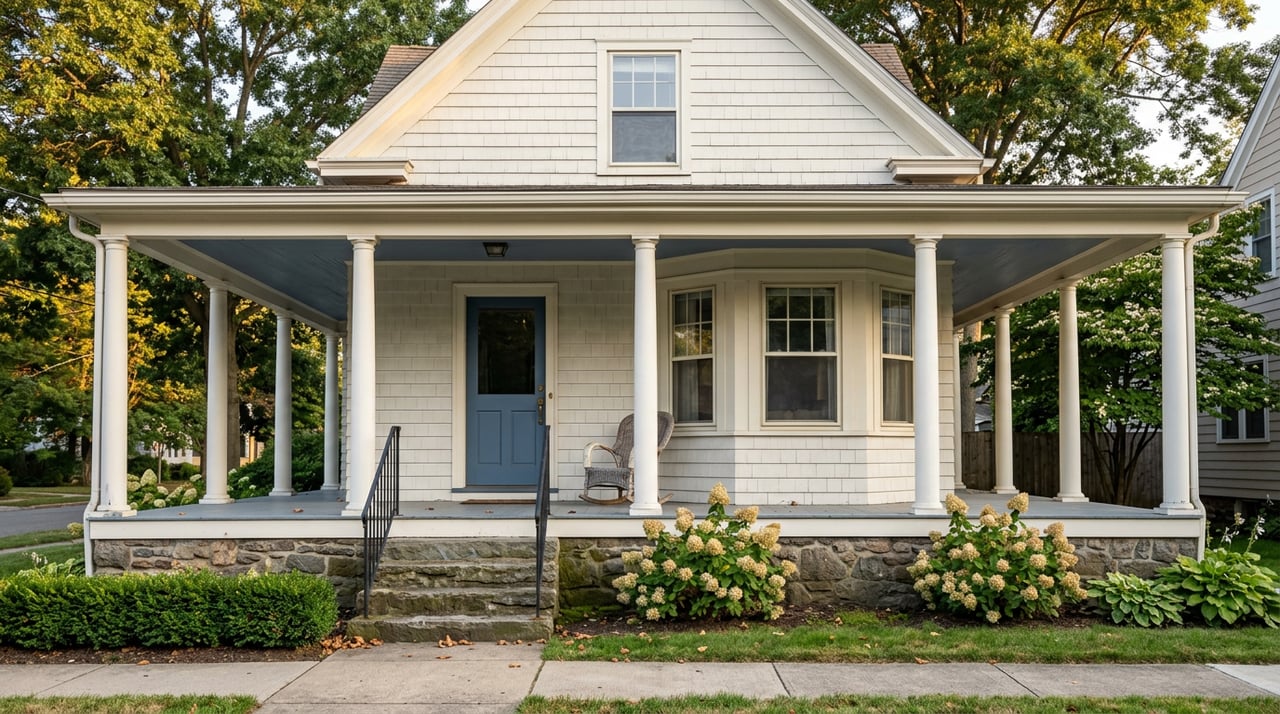
Fort Greene is not a one-note housing market. City planning materials describe a neighborhood shaped by three- to five-story brownstone row houses, along with one- and two-family homes, multi-family apartment buildings, mid-rise buildings, and some taller towers along major corridors.
That mix matters when you start comparing co-ops and condos. In Fort Greene, your decision is often tied not just to ownership structure, but also to the kind of building you want, the block you want to live on, and the day-to-day feel you want from the neighborhood.
About half of the blocks in the residential core sit within the Fort Greene and Clinton Hill Historic Districts. That helps explain why so much of the area has a preserved, brownstone-scale streetscape, even as nearby corridors include more recent development.
Transit is another part of the equation. Fort Greene is served by the A/C and G trains, plus multiple bus lines, and Atlantic Terminal adds another major access point with subway and Long Island Rail Road service. A few blocks can make a real difference in commute time and daily routine.
Co-op vs Condo Basics
What You Buy in a Co-op
In a co-op, you do not buy the apartment as direct real property. Instead, you buy shares in a corporation and receive a long-term proprietary lease for a specific unit.
That ownership structure affects both your monthly costs and your building relationship. Co-op owners pay monthly maintenance, and those charges commonly cover building operating costs, property taxes, and sometimes the underlying mortgage.
What You Buy in a Condo
In a condo, you own the apartment as individual real property. You also own an undivided interest in the building’s common areas.
That means your monthly costs are split differently. Condo owners pay common charges for shared building expenses, while their real estate taxes are billed separately by the New York City Department of Finance, typically on a quarterly or semiannual schedule.
How Monthly Costs Really Compare
One of the biggest points of confusion for buyers is the monthly payment picture. A co-op’s maintenance and a condo’s common charges are not direct apples-to-apples numbers.
In a co-op, maintenance is a bundled figure. It often includes building operating costs, property taxes, and in some cases the building’s underlying mortgage, which can make the monthly figure look higher at first glance.
In a condo, common charges are usually lower than co-op maintenance, but that does not mean the total monthly cost is lower. You also need to budget for a separate property tax bill.
Here is the practical takeaway: when you compare two Fort Greene listings, look at the full monthly carrying cost, not just the line item in the listing. That gives you a more accurate sense of affordability.
How Boards Shape the Ownership Experience
Co-op Boards Tend to Be More Involved
Co-op living is usually more board-centric and more rule-driven than condo living. Co-op boards are elected by shareholders and operate under the building’s by-laws and proprietary lease.
In practical terms, that often means a more document-heavy purchase process and more day-to-day oversight of building rules. If you are buying in a co-op, you should expect the board process to be an important part of the transaction, not just a formality.
Condo Boards Still Matter
Condo boards also have rules and governance responsibilities, but their authority is tied to the condominium’s declaration, by-laws, and house rules. Those governing documents should be available for inspection.
For many buyers, condos feel more straightforward from an ownership standpoint because you own the unit directly. Still, due diligence matters just as much, especially in resale buildings where listing copy may not tell the full story.
Why Fort Greene Buyers Should Look Closely at Building Age
Fort Greene’s housing stock includes many older buildings, and that makes building condition a major part of your decision. The New York Attorney General specifically flags façade, roof, elevator, plumbing, electrical, boiler, and cosmetic condition as common expensive problem areas in co-ops and condos.
In a neighborhood with older brownstone-scale buildings and established apartment houses, those systems deserve close attention. A beautiful lobby or charming façade should never distract you from the health of the building behind the walls.
If you are considering an older Fort Greene co-op, it is especially important to understand reserves, repair history, and the likelihood of future building-wide work. Those items can shape both your ownership experience and your future costs.
Newer Fort Greene Condos Need a Different Review
In newer condo buildings, the biggest risk is not always deferred maintenance. Sometimes it is the gap between what was marketed and what is actually guaranteed.
The New York Attorney General warns buyers that amenities and rooftop features should be treated as contract items, not sales promises. If a feature is not spelled out in the offering plan, it is not guaranteed, even if it appeared in brochures or was mentioned during marketing.
That is especially relevant in newer Fort Greene corridor buildings, where amenities, roof access, recreation areas, or parking may be part of the appeal. Before you rely on any of those features, confirm they are included in the official documents.
What Documents You Should Ask For
Whether you are buying a co-op or condo in Fort Greene, strong due diligence starts with the right paperwork. The most useful documents include:
- The offering plan
- Board minutes
- The latest financial report
- Information about known defects
- Details on upcoming building-wide repairs
For co-op buyers, the Attorney General specifically recommends reading the full offering plan, board minutes, and financial reports before signing. Minutes from the past year can reveal repair issues, ongoing disputes, or building projects already in motion.
For condo buyers, governance documents matter too. You should review the declaration, by-laws, and house rules, along with the building’s financial information and actual condition.
How to Match the Right Option to Your Priorities
A Co-op May Fit You If
A co-op may make sense if you are comfortable with a more communal and rule-driven building culture. It can also appeal to buyers who prefer a monthly payment structure that bundles more of the building’s expenses into one number.
In Fort Greene, that often lines up with buyers drawn to older, character-rich buildings and brownstone-scale living. If you like the idea of a historic building and understand that the board process may be more involved, a co-op may feel like a natural fit.
A Condo May Fit You If
A condo may be a better match if you want direct ownership of the apartment and clearer separation between taxes and common charges. Some buyers also prefer the governance structure of condos because it can feel less board-centric in everyday life.
In Fort Greene, condos may be especially appealing if you are looking at newer corridor development or want modern building features. Just remember that newer does not remove the need for careful document review.
A Fort Greene Choice Often Comes Down to Lifestyle
In this neighborhood, the co-op versus condo decision is rarely just about legal structure. It is often about the lifestyle attached to the building.
Do you picture yourself in a smaller-scale, historic setting with older systems and more formal building oversight? Or do you prefer a newer building where amenities and direct ownership are part of the appeal, but where every promised feature needs to be confirmed in writing?
Fort Greene gives you both paths. The key is knowing how to evaluate each one with clear eyes.
Buying in Brooklyn is rarely just about square footage. It is also about understanding the building, the block, the monthly costs, and the process ahead. If you want thoughtful guidance as you compare Fort Greene co-ops and condos, Erika Sackin / Jan Rosenberg can help you make sense of the details and move forward with confidence.
FAQs
What does co-op maintenance usually include in Fort Greene?
- Co-op maintenance commonly covers building operating costs, property taxes, and sometimes the building’s underlying mortgage, so it is usually a bundled monthly figure.
Why do Fort Greene condo owners pay taxes separately?
- Condo owners hold direct real property ownership of their unit, so they pay common charges for shared expenses and receive separate real estate tax bills from New York City.
Are co-op boards stricter than condo boards in Fort Greene buildings?
- Co-op boards are generally more board-centric and rule-driven because they operate under the by-laws and proprietary lease, while condo boards are governed by the declaration, by-laws, and house rules.
Which building systems matter most in older Fort Greene buildings?
- Buyers should pay close attention to the façade, roof, elevator, plumbing, electrical, boiler, and overall cosmetic condition, because these are common areas for expensive issues.
What documents should Fort Greene co-op and condo buyers review before signing?
- The most important documents include the offering plan, board minutes, the latest financial report, and any information about known defects or upcoming building-wide repairs.
Do Fort Greene co-ops and condos qualify for a property tax abatement?
- Eligible primary-residence co-op and condo units may qualify for New York City’s co-op and condo property tax abatement, but the board or building management must apply and renew it on the owner’s behalf.