If you’re trying to decide between a Park Slope co-op and a townhouse, you’re really choosing between two very different ways of living. Both can put you in one of Brooklyn’s most established residential neighborhoods, but the day-to-day experience, monthly costs, and decision-making freedom can look very different. This guide will help you compare the tradeoffs clearly so you can choose the option that fits your budget, lifestyle, and comfort with responsibility. Let’s dive in.
Why this choice matters in Park Slope
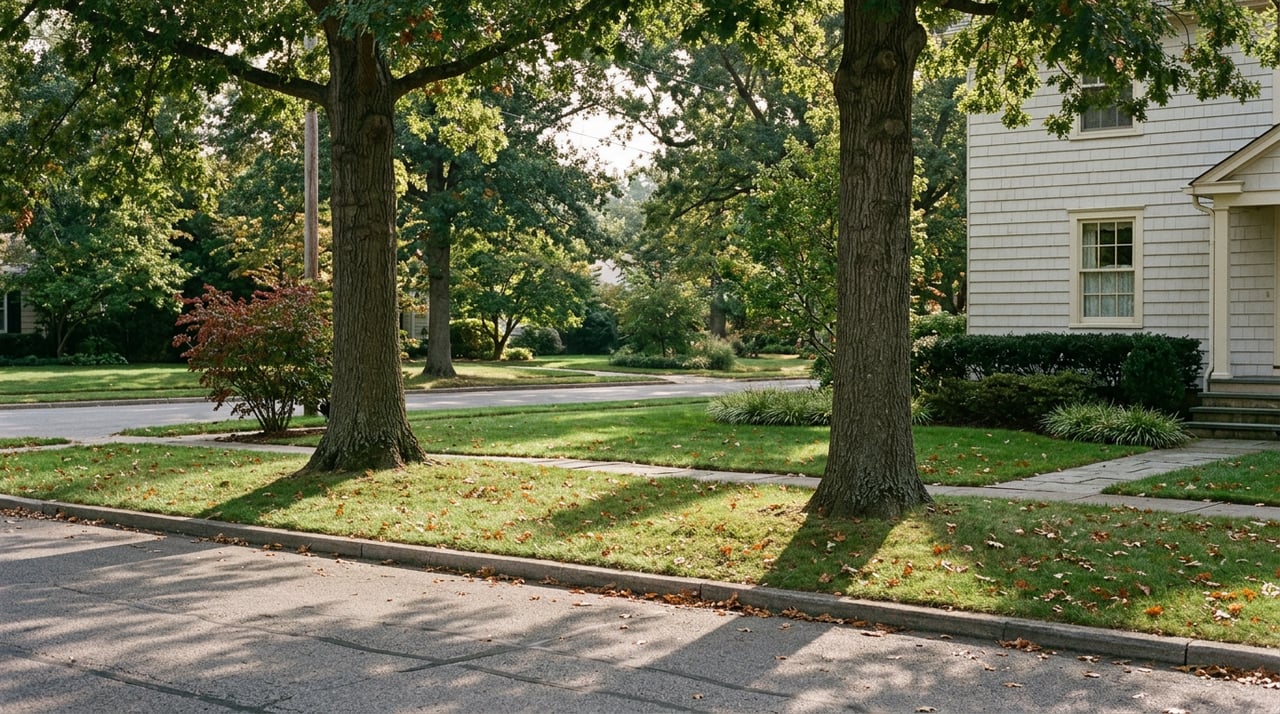
Park Slope is known for its residential blocks, late-19th- and early-20th-century rowhouses, and a mix of apartment houses and mixed-use buildings along the avenues. Many buyers are drawn to the neighborhood’s classic brownstone character, but that same housing stock creates a meaningful choice between apartment-style ownership and whole-building ownership.
In Park Slope, this is not just a question of square footage or price. It is also a question of how much control you want, how much shared governance you can live with, and how comfortable you are taking on repair and compliance responsibilities in an older housing environment.
Co-op vs townhouse basics
What owning a co-op means
When you buy a co-op, you are purchasing shares in a corporation and receiving a proprietary lease for a specific apartment. Your monthly maintenance is generally tied to the number of shares allocated to your unit, and the building’s board, bylaws, and house rules help shape how the property is run.
That structure often feels more communal and more rule-driven than other ownership types. Decisions about subletting, certain uses, and building policies usually happen within a shared framework rather than by individual owner preference.
What owning a townhouse means
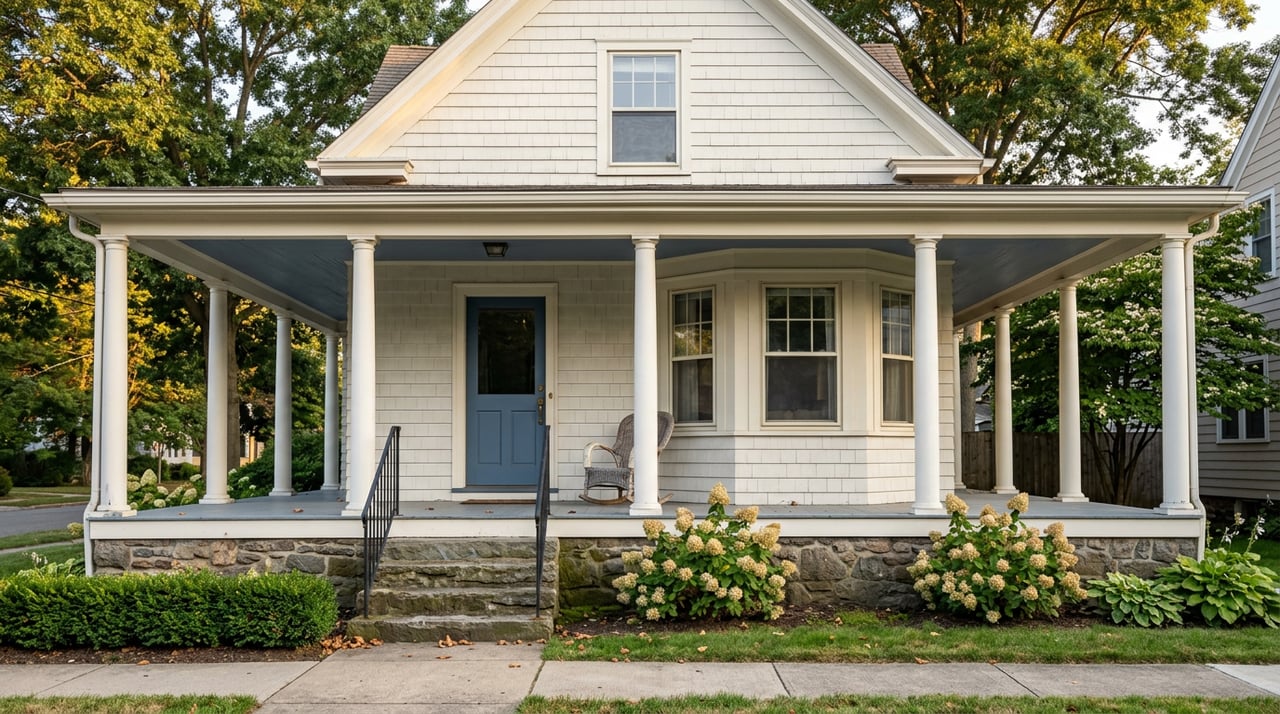
When you buy a Park Slope townhouse, you are typically buying the property itself and taking direct responsibility for its operation. For one- to three-unit residential properties in New York City, that usually means Class 1 tax treatment.
In practical terms, townhouse ownership often gives you more direct control over the property. At the same time, it also means you are the one planning for taxes, repairs, and major building systems rather than relying on a shared building structure to handle them.
Monthly costs feel very different
Co-op costs are more bundled
One of the biggest differences between these two options is how expenses show up in your monthly life. In a co-op, more of the building-related obligations are bundled into monthly maintenance, including the property tax cost that the board passes through as part of common charges.
That can make the payment structure feel more predictable from month to month. It also means you need to understand what the maintenance covers, how the building is budgeting for repairs, and whether the co-op’s finances are being managed conservatively.
Townhouse costs are more direct
With a townhouse, property taxes are billed directly to the owner on a quarterly or semiannual basis. Repair costs are also more direct, which can make ownership feel more transparent, but also more exposed when something expensive comes up.
New York City notes that Class 1 properties have limits on assessed value increases, unless new construction or renovations change the property. Homeowners may also qualify for STAR or E-STAR relief, which can be important to factor into your long-term carrying cost analysis.
Why the payment structure matters
If you prefer a more bundled monthly setup, a co-op may feel easier to manage. If you would rather see each major cost separately and maintain direct control over how and when money is spent, a townhouse may be a better fit.
Neither option is automatically cheaper in practice. What matters is how those costs are structured, how much reserve planning is already built in, and how comfortable you are handling surprises.
Financing is not the same either
Co-op financing is building-specific
Financing a co-op is not only about your own income, assets, and credit. Lenders also look at the co-op project itself. Fannie Mae requires lenders to determine whether a co-op project is acceptable, and it reviews factors like cash flow, operating reserves, and replacement reserves.
That means two buyers with the same financial profile could have very different experiences depending on the building. It is one reason co-op due diligence needs to go beyond the apartment itself.
Townhouse financing focuses more on the property and buyer
Townhouse financing can still be complex, but the underwriting questions are typically less tied to a shared building’s board governance and budget structure. Instead, the focus is more directly on you, the property, and the condition of the building.
For many buyers, that can feel more straightforward. Still, because Park Slope’s housing stock is older, inspections and repair planning remain essential.
Control vs shared governance
Co-ops come with rules
If you are considering a co-op, it helps to go in with realistic expectations. Co-op boards and governing documents can place limits on subletting and other uses, and the New York Attorney General recommends reading the full offering plan and consulting an attorney before signing.
This does not mean co-op living is restrictive for everyone. For many buyers, the appeal is exactly that there is a shared framework for decision-making, upkeep, and long-term building management.
Townhouses offer more autonomy
A townhouse usually gives you more control over how you use the property and when you choose to make changes. If flexibility matters to you, especially around renovations or long-term planning, that can be a major advantage.
But in Park Slope, more control does not mean unlimited freedom. Many townhouse blocks are in landmarked areas or historic districts, and exterior alterations, reconstruction, demolition, and new construction may require approval from the Landmarks Preservation Commission before work begins.
The Park Slope historic district factor
This is where local context matters a lot. Park Slope includes one of New York City’s earliest and largest historic districts, and many of the neighborhood’s rowhouses sit on landmarked or historic-district blocks.
So if you picture buying a townhouse and immediately changing the facade, windows, roofline, or exterior details, you should treat that plan cautiously. Exterior work may require permits and review based on the historic character of the district, which can affect both timeline and budget.
For some buyers, that is a manageable tradeoff for owning a classic Park Slope home. For others, a co-op may feel simpler because many exterior responsibilities stay at the building level.
Repairs and upkeep: who handles what?
Co-op upkeep is shared
In a co-op, building-level upkeep is typically handled through shared systems, reserves, and management decisions. That can reduce the feeling that every repair lands directly on your shoulders, even though you are still paying for those costs through maintenance and other building charges.
The key question is whether the building appears well run. Financial reports and board minutes can reveal whether upcoming repairs or budget stress may affect your ownership experience.
Townhouse upkeep is personal
With a townhouse, you are responsible for planning and paying for major systems and repairs yourself. In older buildings, that can include facade work, roof issues, plumbing, electrical, boiler replacement, and other major items that may not be obvious during a showing.
That level of responsibility is not necessarily a downside. Some buyers prefer the control and are comfortable budgeting for it. Others would rather share that burden through a co-op structure.
Due diligence matters in both cases
Whether you are leaning toward a co-op or townhouse, the smartest Park Slope buyers look closely at the paperwork and the physical condition of the property. The highest-value materials often include the offering plan, board minutes, financial reports, and an inspection report or engineer review.
According to the Attorney General, board minutes and financial statements can reveal repair needs or other issues that may not be obvious at first glance. In a neighborhood with older housing stock, that kind of review can help you avoid expensive surprises.
Which option fits your life best?
A co-op may fit if you want:
- A more bundled monthly payment structure
- Shared responsibility for upkeep and reserves
- A homeownership model with established rules and governance
- Guidance through a building-specific purchase process
A townhouse may fit if you want:
- More direct control over the property
- Greater flexibility around use and renovation timing
- Transparency around taxes and repair budgeting
- A willingness to manage building systems and maintenance directly
How to make the decision with confidence
In Park Slope, the better choice is usually less about the neighborhood and more about your ownership style. If you want simplicity in your monthly structure and are comfortable with building governance, a co-op may be the better fit. If you want more autonomy and are prepared for direct responsibility, a townhouse may align better with your goals.
The right answer often comes into focus when you compare not just price, but also documents, financing, maintenance structure, and the real condition of the property. A thoughtful review upfront can save you stress later.
If you’re weighing a Park Slope co-op against a townhouse, the right guidance can make the choice much clearer. Erika Sackin can help you evaluate the tradeoffs, understand the paperwork, and move forward with a plan that fits your life.
FAQs
What does owning a co-op in Park Slope mean?
- Owning a co-op in Park Slope means you buy shares in a corporation and receive a proprietary lease for a specific apartment, with monthly maintenance and building rules shaped by the co-op’s governing structure.
How are townhouse property taxes handled in Park Slope?
- For a one- to three-unit townhouse in Park Slope, New York City generally treats the property as Class 1, and the owner receives property tax bills directly on a quarterly or semiannual basis.
Are Park Slope townhouse renovations always fully up to the owner?
- No. Many Park Slope townhouses are on landmarked or historic-district blocks, so exterior alterations may require approval and permits before work begins.
Why do co-op financial documents matter in Park Slope?
- Co-op financial reports and board minutes can reveal reserve strength, upcoming repairs, and other building issues that may affect your monthly costs and ownership experience.
Is a Park Slope townhouse more flexible than a co-op?
- In general, yes. A townhouse often gives you more direct control over use and renovation timing, but local landmark rules can still limit or slow certain exterior changes.
What is the biggest lifestyle difference between a co-op and townhouse in Park Slope?
- The biggest difference is usually shared versus direct responsibility: co-ops bundle more building obligations into monthly maintenance, while townhouses give you more control but require you to manage taxes and repairs more directly.