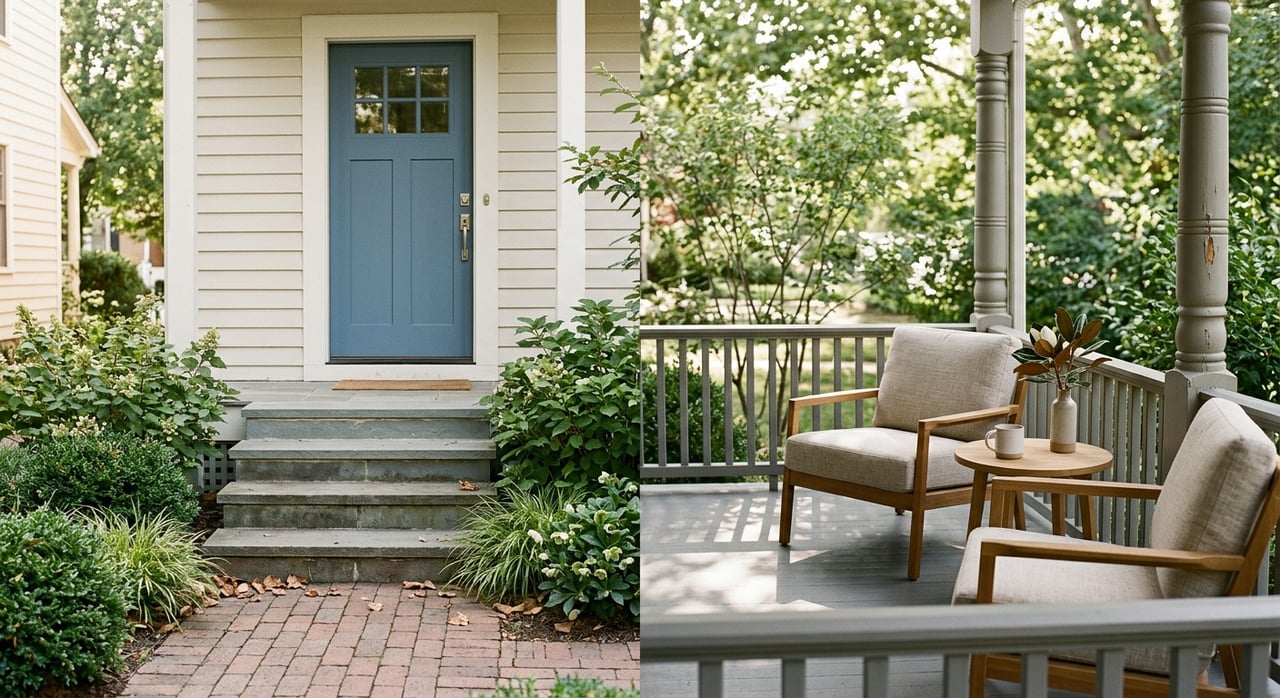
Ever wonder why Ditmas Park feels so different from so many other Brooklyn neighborhoods? You notice it quickly: freestanding homes, broad porches, mature trees, and streets that feel shaped as much by neighbors as by architecture. If you are trying to understand what makes this part of Brooklyn so distinctive, this guide will walk you through the homes, greenery, gathering places, and civic life that define Ditmas Park. Let’s dive in.
Why Ditmas Park Feels Distinct
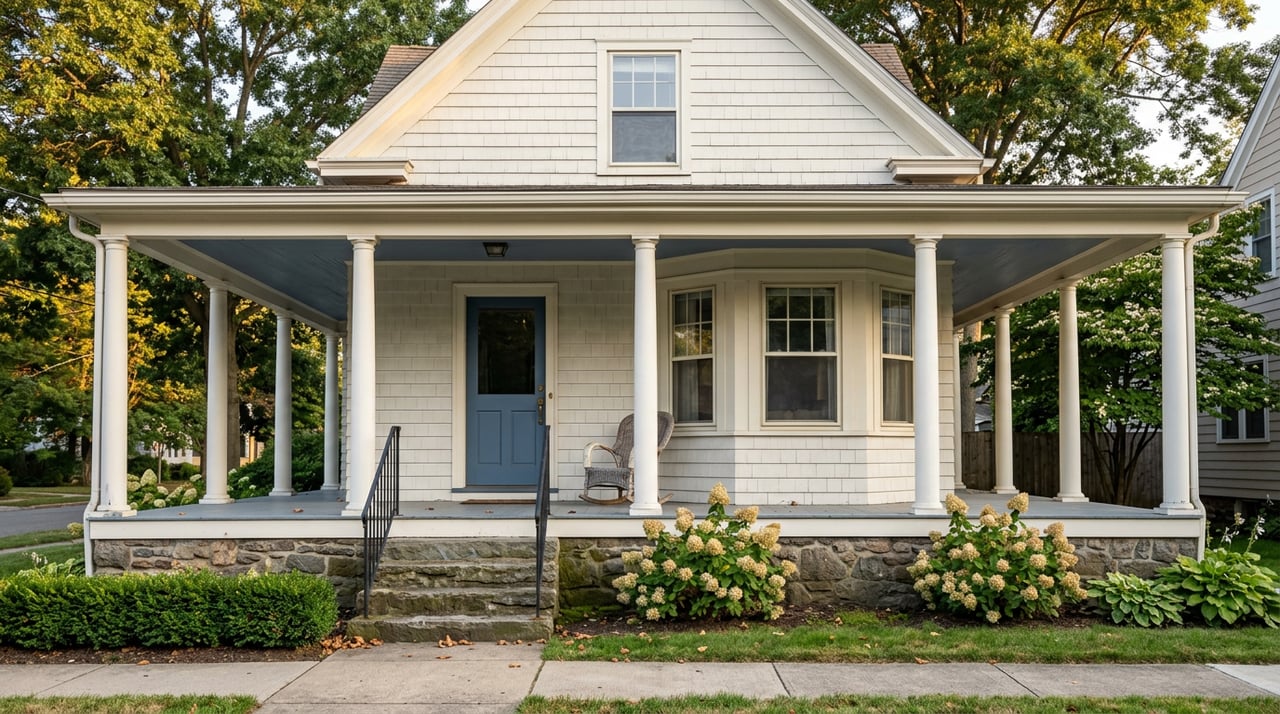
Ditmas Park stands out because its physical layout was planned to feel different. According to historic district and preservation sources, the area developed in 1902 as a neighborhood of freestanding, two-story frame houses with deep lawns, planted sidewalks, and porches that often wrap around the home.
That design still shapes daily life now. The Ditmas Park Historic District was locally designated in 1981, and the neighborhood’s visual identity remains tied to Colonial Revival, Tudor Revival, and bungalow or Craftsman-style homes. When people talk about Ditmas Park having a quieter, more residential feel, they are often responding to this original built form.
Porches Shape Street Life
In Ditmas Park, porches are not just decorative details. Preservation sources note that many homes were built with columned porches, often stretching across the front and around the side, which creates a softer transition between private homes and the public street.
That matters because architecture influences how a neighborhood feels to walk through. Porches naturally invite a little more visibility, conversation, and connection to the block. In Ditmas Park, that porch culture is part of the neighborhood’s original design, not a later trend.
Lawns and Setbacks Change the Pace
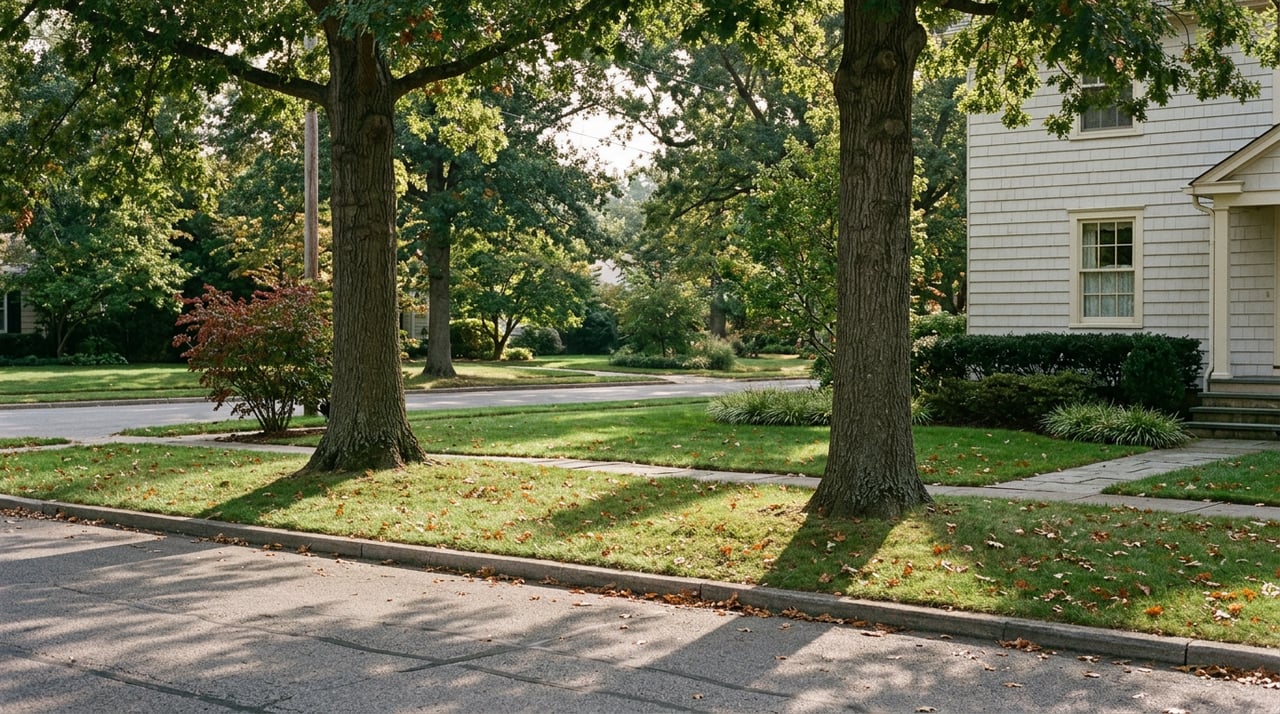
Another reason Ditmas Park feels different is the amount of space between buildings and sidewalks. Deep lawns and planted edges create a more open streetscape than you find in many other parts of Brooklyn.
For buyers, that can make the neighborhood feel more relaxed without losing the benefits of city living. You still have a Brooklyn address and access to commercial corridors and transit, but the residential blocks often feel calmer and more spacious.
Trees Are Part of the Neighborhood Story
The greenery in Ditmas Park is not just something you happen to see. Local neighborhood groups describe the area as tree-lined and historic, and they make clear that maintaining that character takes work.
In Ditmas Park West, a volunteer neighborhood association says residents have planted 291 trees since 1978 across fifteen blocks. The same group also notes that neighborhood dues help cover things like saplings, block-party permits, printing, and emergency needs.
Stewardship Is Ongoing
One of the most useful things to know about Ditmas Park is that its charm is actively maintained. Tree canopy, planted sidewalks, and cared-for tree pits reflect ongoing effort from residents, local associations, and city services.
That tells you something important about the area. The neighborhood’s appeal is not only historic. It is also civic, shaped by people who continue to invest time and energy in how the blocks look and function.
Community Without Gatekeeping
The Ditmas Park West association specifically says it is not an HOA and has no enforcement powers. That is an important detail because it helps explain how neighborhood life works here.
In practice, the area’s sense of community comes more from volunteer participation than from formal gatekeeping. Block events, cleanups, and tree planting reflect local involvement, not private regulation.
Cortelyou Road Adds Everyday Energy
A neighborhood is more than its houses, and Ditmas Park has a strong everyday rhythm beyond the residential blocks. Cortelyou Road plays a major role in that rhythm.
The New York City Department of Small Business Services describes Cortelyou Road as a culinary corridor with restaurants, bars, and a weekly farmers market. That gives the neighborhood a real local spine, where daily errands, weekend routines, and casual meetups naturally overlap.
The Greenmarket Is a Weekly Anchor
GrowNYC says the Cortelyou Greenmarket has connected local farms to Ditmas Park residents since 2003. It runs year-round on Sundays and includes cooking demonstrations, educational programs, and family activities.
That kind of recurring event helps explain why Ditmas Park often feels lived-in rather than simply picturesque. A weekly market creates habits and meeting points. It gives the neighborhood a reliable public ritual that brings people out onto the street in every season.
Local Corridors Support Daily Life
Ditmas Park is not only residential, and that is part of its strength. In addition to Cortelyou Road, city materials identify Newkirk Avenue and Foster Avenue as service-oriented corridors, Newkirk Plaza as a busy pedestrian hub for commerce and transit, Coney Island Avenue as an important commercial corridor, and Ocean Avenue as a quieter mix of residences, medical offices, and houses of worship.
For anyone considering a move, this mix matters. You can enjoy tree-lined residential blocks while still being connected to practical daily destinations nearby.
Institutions Help Hold It Together
Ditmas Park’s identity is shaped by more than architecture and retail. Local organizations point to places like Flatbush-Tompkins Congregational Church and the Cortelyou Road corridor as neighborhood anchors.
That combination of institutions and main-street activity gives the area a strong sense of continuity. The neighborhood does not feel like a static historic district. It feels like an active place where homes, local commerce, and public life all reinforce each other.
Civic Life Is Part of the Appeal
If you are evaluating a neighborhood, it helps to know not just how it looks, but how it functions. In Ditmas Park, there are real channels for residents to take part in local issues.
Brooklyn Community Board 14 says its district includes Ditmas Park and that it holds monthly meetings between September and June. The board also hosts open public sessions and hearings and addresses issues such as zoning, street activities, park maintenance, and street tree replacements.
Participation Goes Beyond Social Events
This is one of the clearest signs that Ditmas Park has more than surface-level charm. Residents can join block activities and neighborhood events, but they can also engage with the civic process that shapes the streetscape.
That can be meaningful if you are thinking long term. Open meetings and public forums create ways for neighbors to respond to change, raise concerns, and take part in how the area evolves.
What Buyers and Sellers Should Notice
For buyers, Ditmas Park offers a combination that is hard to miss once you see it in person. The historic housing stock, porch-forward streetscape, mature trees, and established commercial corridors create a neighborhood experience that feels both residential and connected.
For sellers, those same qualities often shape how buyers understand the area. People are not only responding to square footage or finishes. They are also responding to block character, sidewalk plantings, Sunday routines, and the sense that this neighborhood is actively cared for.
The Lifestyle Is in the Details
In Ditmas Park, the details tell the larger story. A wraparound porch, a shaded sidewalk, a Sunday walk to the Greenmarket, or a local meeting about street trees all point to the same thing: this is a neighborhood where built form and community life support each other.
That is part of why Ditmas Park continues to stand out within Brooklyn. Its appeal comes from both what was built here and what residents keep contributing to it.
If you are thinking about buying or selling in Ditmas Park, working with a team that understands both the housing stock and the neighborhood rhythms can make a real difference. For local guidance rooted in experience and community knowledge, reach out to Erika Sackin.
FAQs
Why do homes in Ditmas Park look different from many other Brooklyn homes?
- Ditmas Park was developed in 1902 as a neighborhood of freestanding houses with porches, lawns, planted sidewalks, and revival-era architectural styles, which gives it a distinct look and feel.
Is Ditmas Park only a residential neighborhood?
- No. In addition to its residential blocks, the neighborhood includes active commercial and service corridors such as Cortelyou Road, Newkirk Avenue, Foster Avenue, Newkirk Plaza, Coney Island Avenue, and Ocean Avenue.
What makes community life in Ditmas Park feel so active?
- Community life is supported by year-round routines and public participation, including the Cortelyou Greenmarket, neighborhood associations, block events, and public meetings through Brooklyn Community Board 14.
Are the trees and planted blocks in Ditmas Park just part of the original design?
- Not entirely. While the neighborhood was planned with planted sidewalks and spacious blocks, local volunteer groups have continued tree planting and neighborhood upkeep over time.
How do residents participate in civic issues in Ditmas Park?
- Residents can attend Brooklyn Community Board 14 meetings and hearings, where local topics such as zoning, park maintenance, street activities, and street tree replacements are discussed.