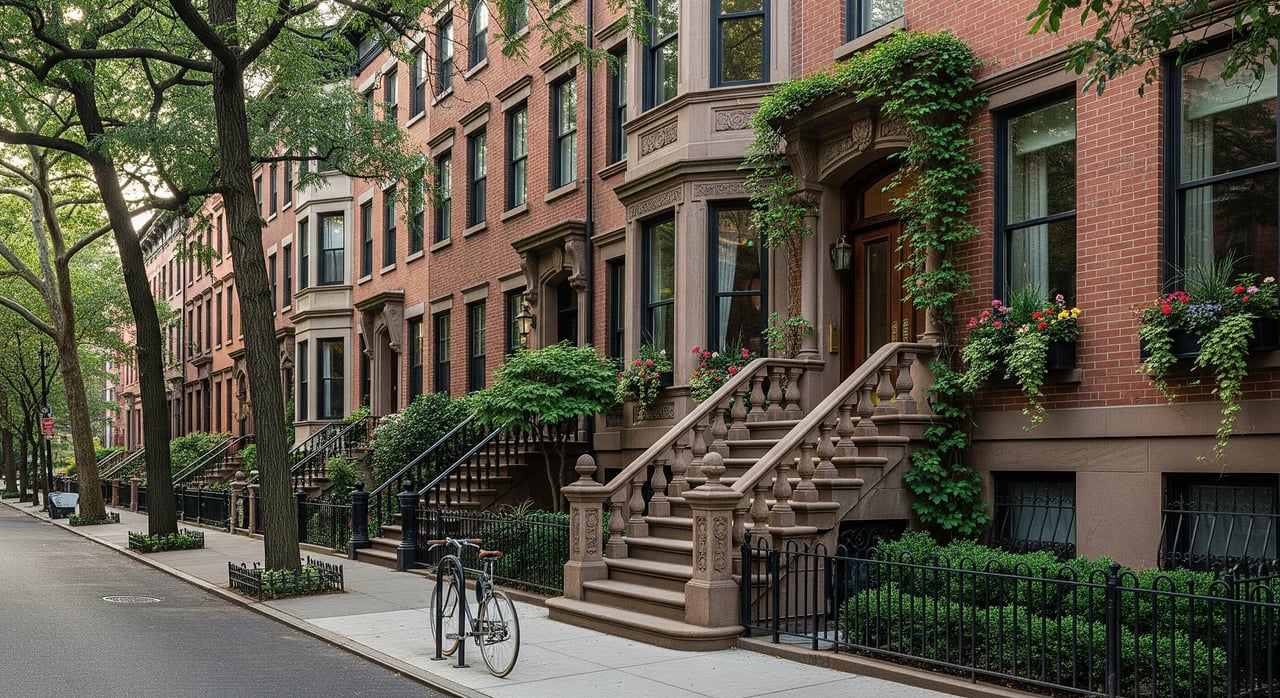
Thinking about life without a car in Brooklyn? Prospect Park South makes it feel natural. You are close to Prospect Park, multiple Brighton Line stations, and a steady stream of buses and bikes that keep daily life moving. If you want short walks, reliable transit, and easy errands, this guide shows you how car-free living works here day to day. Let’s dive in.
Why car-free works here
Prospect Park South sits just south of Prospect Park with several B and Q subway stations nearby. From many blocks, your walk to the train is often under 15 minutes. That puts jobs, culture, and errands within reach without owning a car.
You also have local retail along Church Avenue and nearby corridors for groceries, cafes, and services. For trips that are not along the subway, Church Avenue bus routes support east-west travel and connect you to major transfer points. If you bike, Prospect Park and Ocean Parkway offer protected or low-stress routes for commuting and recreation.
Subway: B and Q overview
The B and Q run on Brooklyn’s Brighton Line. The Q operates full-time, connecting southern Brooklyn with Manhattan. The B typically runs on weekdays, with different service patterns than the Q. Together they are the primary rapid-transit option for Prospect Park South residents.
Where the trains take you matters. The Q provides direct service to key Manhattan hubs and connects with multiple transfer lines. The B provides weekday coverage that complements the Q and improves travel options to Midtown and other job centers when it is running. Always check current MTA information for frequency, late-night patterns, and planned changes.
Stations near Prospect Park South
Several Brighton Line stations frame Prospect Park South and its immediate neighbors. Stations commonly used by local residents include:
- Church Avenue (Brighton Line)
- Beverley Road (Brighton Line)
- Cortelyou Road (Brighton Line)
- Newkirk Plaza (Brighton Line)
You may also find the Parkside Avenue and Prospect Park stations useful depending on your exact address and destination. The right station for you usually comes down to one factor: walking time. Instead of measuring distance in blocks, measure the door-to-station walk with a map app at the times you would typically commute. Many Prospect Park South addresses are within a 5 to 15 minute walk of at least one of these stations.
When you evaluate a specific home, also consider:
- Entrances and exits. Some stations have multiple entrances. The closest entrance may shave minutes off your routine.
- ADA accessibility. Elevator availability varies by station. Confirm status if you or a household member needs step-free access.
- Bicycle access and storage. If you plan to bike to the station, look for street racks nearby. For daily security, pair a quality U-lock with vigilant parking habits.
Church Avenue buses
Church Avenue is a key east-west corridor in southern Brooklyn. Multiple bus routes run along or near Church Avenue, linking Prospect Park South to nearby retail, schools, and major transfer points. Buses connect to hubs such as Church Avenue subway stations, Flatbush Avenue shopping areas including Flatbush Avenue–Brooklyn College, Kings Plaza, and larger nodes like Atlantic Terminal.
For everyday life, these routes help you reach destinations that are not on the Brighton Line. They are also a useful fallback if there are subway service changes. Daytime frequency, evening and weekend schedules, and any limited variants can change, so check current timetables before you plan a new commute.
When comparing homes, stand at your prospective block and note:
- The closest Church Avenue bus stops and which corners they occupy.
- Walking time from the bus stop to the nearest B or Q entrance for easy transfers.
- Typical crowding around your commute time so you can set expectations.
Bikes and micromobility
Prospect Park is a cornerstone for local cycling. The park’s 3.35-mile loop offers car-separated riding used by commuters and recreational riders. Entrances along the neighborhood’s northern edge make quick park access part of daily life.
To the west, Ocean Parkway features a historic, wide boulevard with a protected cycling facility and multi-use path in many stretches. It works as a north-south spine that connects southern Brooklyn neighborhoods to the park and beyond.
For short trips, Citi Bike coverage around Prospect Park and along nearby corridors puts docks within an easy 5 to 10 minute ride from many Prospect Park South addresses. Check the current map for exact dock locations and capacity before you rely on bike share at peak times.
Dockless scooters and other shared devices are limited by local rules. If you are set on a scooter or e-bike, review current NYC policies and service areas so you know what is permitted and where.
During winter, expect fewer bike commute days. Plan a backup routine such as walking to a nearer station or using Church Avenue buses when conditions are icy.
Daily routines without a car
Car-free life works best when your daily patterns are simple and repeatable. Here are examples of how residents in Prospect Park South make it work.
Morning commutes
Most weekdays, you will likely walk 5 to 15 minutes to a B or Q station and ride directly to Downtown Brooklyn or Manhattan. If your destination is off the Brighton Line, you can transfer to another line on the way. On days when the B is not running or you want a different route, use the Q or pair a short Church Avenue bus ride with another subway connection.
If you prefer biking, a quick ride along Ocean Parkway or through Prospect Park can connect you to additional stations and crosstown corridors. Store your bike indoors at home when possible and bring a lock for errands.
Errands and local shopping
Church Avenue and nearby commercial strips offer groceries, cafes, pharmacies, and services within a comfortable walk. For larger grocery runs, pair a quick bus ride with delivery services. Many neighborhood retailers and national grocers deliver to Prospect Park South, which helps you keep errands light on foot.
Weekends and recreation
Prospect Park is your backyard. You can walk or bike for picnics, playgrounds, sports, or the loop. On sunny weekends, consider bike share for a flexible outing and return by bus or subway if the weather turns.
Occasional car needs
Even in a car-light household, there are times when a car is useful. Look into local carshare options, ride-hail, or traditional rentals for weekend trips or moves. For guests, remind them that street parking rules apply and can be strict. Delivery services make furniture or bulk purchases much easier without owning a vehicle.
Accessibility and households
If you have a stroller, mobility device, or simply prefer fewer stairs, prioritize buildings and stations with step-free paths. ADA elevator status differs by station and can change due to maintenance. Sidewalk and curb conditions can vary by block, so test your exact route to the station or bus stop.
Households with small children often focus on proximity to daycare, playgrounds, and grocery stores. Measure those walks during your typical morning and evening windows to be sure they fit your routine. If you are evaluating co-ops or multi-unit buildings, ask about stroller storage and bike rooms.
Address checklist
Use this quick checklist when touring homes in Prospect Park South:
- Walk to the nearest B or Q station at rush hour and time it door to entrance.
- Check which Brighton Line station feels most practical based on entrances and platform crowding.
- Map your backup route using Church Avenue buses for days with subway changes.
- Identify your nearest grocery, pharmacy, and cafe and confirm hours.
- Locate nearby Citi Bike docks and look at average bike availability during your commute.
- Confirm ADA needs at your closest stations and test curb cuts and crosswalks on your route.
- Plan a secure bike storage solution at home and a reliable lock for errands.
What to expect day to day
- Frequency and reliability. The Q runs full-time and the B typically runs on weekdays. Service can vary by time of day and weekend schedules, so check for updates.
- Transfers and flexibility. If your workplace is not on the Brighton Line, build a transfer into your trip. Church Avenue buses offer crosstown options when needed.
- Seasonality. Winter weather can slow bike travel, but walking, bus connections, and the Q provide consistent alternatives.
- Local convenience. With neighborhood shopping near Church Avenue and quick park access, daily life without a car feels straightforward.
If you want help choosing an address that matches your commute and routines, our team can talk through station options, building types, and co-op considerations so your move is smooth.
Ready to explore a car-free lifestyle in Prospect Park South? Reach out to the Rosenberg Sackin Team for your free home valuation and consultation. We are here to help you find the right fit and plan your move with confidence.
FAQs
How long does transit to Midtown take from Prospect Park South?
- Travel times vary by time of day and station, but many riders walk to a B or Q station and ride directly to Manhattan, adding a transfer only if needed. Check current trip plans for your exact commute window.
Which B/Q station is closest to my address in Prospect Park South?
- Measure by walking time, not distance. Time the door-to-entrance walk to Church Avenue, Beverley Road, Cortelyou Road, or Newkirk Plaza and choose the one that feels most reliable for your routine.
Are the B and Q reliable for a daily commute?
- The Q operates full-time and the B typically runs on weekdays, with patterns that change by time of day and on weekends. Always review current service information before you commute.
What buses run along Church Avenue and where do they go?
- Multiple routes travel east-west, linking to Church Avenue subway stations, Flatbush Avenue shopping areas, Kings Plaza, and larger hubs such as Atlantic Terminal. Check current bus maps and timetables for specifics.
Is Prospect Park South workable for seniors or families who prefer not to drive?
- Many addresses are a short walk to transit and shops, with Church Avenue buses and the Q providing frequent options. If you need step-free access, confirm ADA elevator status at your nearest station.
How can I store a bike securely in Prospect Park South?
- Prioritize indoor storage when possible and use a quality U-lock on sturdy racks for errands. In multi-unit buildings, ask about bike rooms and any building policies.
How do I handle occasional car trips if I live car-free here?
- Combine transit with ride-hail or carshare for weekend outings and moves, and rely on delivery services for bulky items. Confirm the closest pickup locations and any building loading options.