A 1 percent change in your mortgage rate can move your monthly payment by roughly 50 to 60 dollars per 100,000 borrowed. In Ditmas Park, where choices range from prewar co-ops to porch-front Victorians, that shift can change what you can comfortably buy. If you understand how rates map to payments and how building type affects monthly costs, you can keep your search focused and your budget steady. In this guide, you’ll learn the simple math, see local-style examples, and get tactics to protect your buying power. Let’s dive in.
Buying power in Ditmas Park
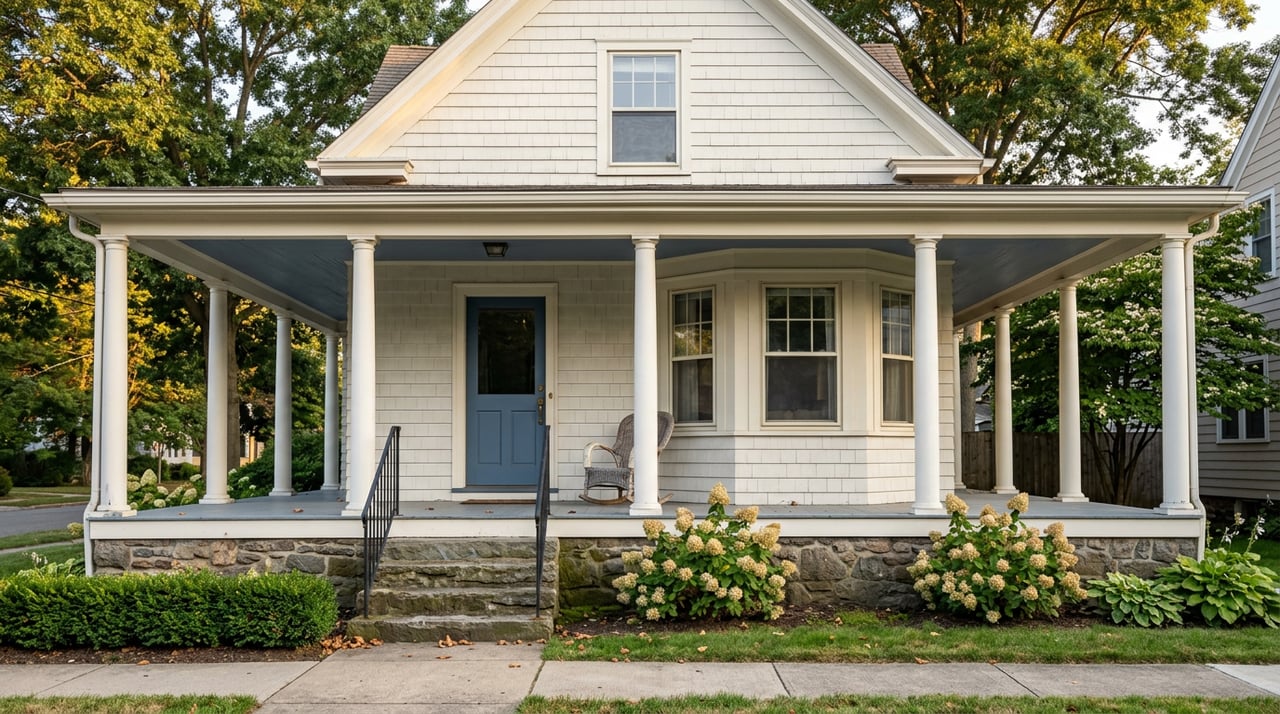
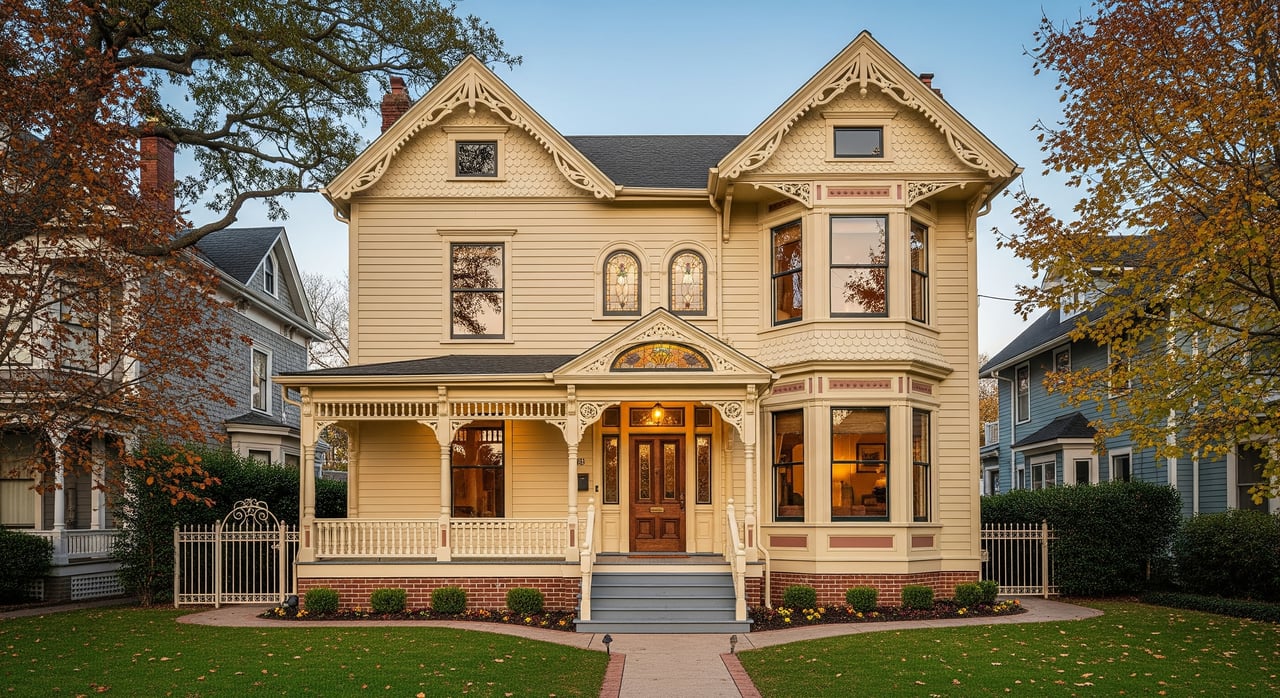
Buying power is the maximum price you can afford based on your monthly budget, down payment, and mortgage rate. In Flatbush and Ditmas Park, ownership type shapes that equation. Co-ops often have lower prices but higher monthly maintenance that usually includes property taxes. Condos have separate common charges plus property taxes. Single-family Victorians carry property taxes and homeowner’s insurance instead of a building maintenance fee.
Those differences matter. The same rate change can feel very different if you are financing a larger condo or Victorian compared to a smaller co-op. Co-op boards may also require a larger down payment and cash reserves, which reduces loan size and changes your sensitivity to rate moves.
How mortgage rates change your payment
Monthly principal and interest are based on your loan amount, interest rate, and term. You can estimate payments using a lender calculator or a simple payment factor. A payment factor shows the monthly principal and interest per 1,000 of loan for a specific rate and a 30-year term. Multiply the factor by your loan amount divided by 1,000 to get a quick estimate.
A helpful rule of thumb: on a 30-year fixed loan, a 1 percentage point rate change often shifts monthly principal and interest by about 50 to 60 dollars per 100,000 borrowed. For current trends, review the Freddie Mac Primary Mortgage Market Survey.
Ditmas Park examples: co-op, condo, Victorian
The following are simplified, illustrative examples using common 30-year payment factors often referenced by lenders. Your actual numbers will depend on current rates, closing costs, taxes, insurance, and building fees. Always verify with a lender quote.
Co-op example, entry-level
- Illustrative price: 350,000, 20 percent down, loan 280,000.
- Approximate monthly principal and interest using sample factors:
- At 4 percent: about 1,337
- At 6 percent: about 1,679
- At 7 percent: about 1,863
- Takeaway: moving from 4 percent to 6 percent adds roughly 342 to monthly principal and interest on this size loan. Remember to add monthly co-op maintenance, which often includes property taxes and building expenses.
Condo example, mid-market
- Illustrative price: 750,000, 20 percent down, loan 600,000.
- Approximate monthly principal and interest:
- At 4 percent: about 2,865
- At 6 percent: about 3,597
- At 7 percent: about 3,992
- Takeaway: moving from 4 percent to 6 percent adds roughly 733 to monthly principal and interest. Add common charges, property taxes, and insurance. If you put less than 20 percent down, include private mortgage insurance until you reach 20 percent equity.
Victorian single-family example
- Illustrative price: 1,600,000, 20 percent down, loan 1,280,000.
- Approximate monthly principal and interest:
- At 4 percent: about 6,112
- At 6 percent: about 7,673
- At 7 percent: about 8,516
- Takeaway: moving from 4 percent to 6 percent adds about 1,562 to monthly principal and interest. Add NYC property taxes and homeowner’s insurance when budgeting.
From monthly budget to price ceiling
If your maximum monthly principal and interest budget is 2,500, here is a simple way to convert that into a price ceiling. Use a 30-year factor for the rate environment, then add your down payment assumption.
- At a lower-rate scenario using a factor around 4.774, your loan would be about 523,700, which supports a price near 654,600 with 20 percent down.
- At a higher-rate scenario using a factor around 5.996, your loan would be about 417,000, which supports a price near 521,250 with 20 percent down.
Translation: the same monthly budget buys less at higher rates. This is why watching rate trends is key for timing and search strategy. Check the latest weekly mortgage rate trends for current benchmarks as you plan.
How ownership type changes rate sensitivity
Co-ops
- Monthly maintenance is a meaningful part of your carrying cost and often includes property taxes. Because maintenance is fixed, rising rates reduce room in your monthly budget faster. Co-op boards often require larger down payments and liquid reserves. The larger down payment can lower your loan amount and soften the dollar impact of a rate change.
Condos
- Monthly costs include common charges, separate property taxes, and insurance. Down payment flexibility can be greater than with co-ops, but borrowing more can amplify the effect of a rate increase. If your down payment is under 20 percent, include private mortgage insurance until you cross 20 percent equity.
Single-family Victorians
- These homes often involve larger loans, NYC property taxes, and homeowner’s insurance. Bigger principal means each rate change creates a larger dollar swing in monthly principal and interest. Closing costs can be higher because New York City and New York State impose a mortgage recording tax on most financed purchases. You can review the local rules on the NYC Department of Finance mortgage recording tax page and the New York State guidance.
Smart moves to protect buying power
Adjust search criteria and budget
- Right-size your price band when rates rise. A smaller price target can keep your monthly payment on track. If you have flexibility, increasing your down payment can offset a higher rate. For co-ops, request the maintenance breakdown so you understand how much is property tax.
- Consider unit size or nearby blocks that fit your monthly ceiling. Some buyers compare a lower-price co-op against a higher-price condo to balance upfront cash, monthly costs, and long-term plans.
Choose the right loan product
- 30-year fixed loans offer payment stability if you plan to stay long term.
- Adjustable-rate mortgages, for example 5 or 7 year fixed periods, often start with a lower initial rate. They can make sense if you expect to refinance or sell before the first reset. Review the risks in the CFPB overview of adjustable-rate mortgages.
- Permanent buydowns, also called discount points, let you pay upfront to reduce your rate for the life of the loan. Learn how points work with the CFPB explainer on discount points. Compare the break-even period against other uses of cash, such as increasing your down payment.
- Temporary buydowns, for example a 2-1 structure, reduce your rate for the first one or two years then revert. They can help early cash flow if you expect income growth or a refinance, but plan carefully for the later payment.
Optimize timing, pre-approval, and rate locks
- Get pre-approved for a maximum loan amount based on today’s rates and include building fees, taxes, and insurance in your estimate. This makes your shopping budget realistic.
- Decide with your lender whether to lock your rate when you go into contract. Locking protects against increases, waiting leaves room for decreases. Ask for a lock period that matches your timeline and building approval process, especially for co-ops.
- For co-ops, allow extra time for board requirements. Expect to document income, assets, and reserves in detail.
Ditmas Park buyer checklist
- Track current rate benchmarks weekly, for example through the Freddie Mac Primary Mortgage Market Survey.
- Build a full monthly budget that includes principal and interest, co-op maintenance or condo common charges, property taxes, homeowner’s insurance, and PMI if applicable.
- Decide your maximum comfortable monthly payment, then convert it to a price ceiling using the payment factor method.
- For co-ops, confirm board rules on minimum down payment, allowed loan types, and post-closing liquidity.
- For condos and single-family homes, verify annual property taxes and estimate insurance.
- Review closing costs early. If you are financing, understand the NYC mortgage recording tax and related state rules from New York State Tax and Finance.
Ready to run your numbers?
Rates will move, and your plan should move with them. With a clear monthly budget, the right loan strategy, and a firm grasp of Ditmas Park’s ownership types, you can make confident decisions whether you are aiming for a starter co-op or a porch and yard. If you want a local sounding board and a customized plan, reach out to Erika Sackin / Jan Rosenberg. We will walk you through scenarios, real listings, and next steps so you can buy with clarity.
FAQs
How does a 1 percent rate change affect a Ditmas Park buyer’s monthly payment?
- As a rule of thumb, a 1 percentage point change on a 30-year fixed loan shifts monthly principal and interest by about 50 to 60 dollars per 100,000 borrowed. Your exact number depends on loan size and current rates.
What is the simplest way to estimate my payment before I shop?
- Use a 30-year payment factor from your lender and multiply it by your loan amount divided by 1,000. Then add monthly maintenance or HOA, property taxes, insurance, and PMI if applicable.
Should I wait for mortgage rates to drop before buying in Flatbush?
- It depends on your timeline and housing needs. If rates fall, buying power rises, but prices and competition can also change. Compare the cost of waiting with a lender scenario and a local inventory check.
How do co-op maintenance and condo fees change affordability comparisons?
- Co-op maintenance often includes property taxes and can be a large part of your monthly cost. Condos separate common charges, property taxes, and insurance. Always add these to principal and interest to compare apples to apples.
Are ARMs or buydowns smart for Ditmas Park buyers?
- They can be, depending on your horizon and cash. ARMs offer lower initial payments but carry reset risk, see the CFPB overview of adjustable-rate mortgages. Discount points buy a lower rate for the life of the loan, see the CFPB guide to discount points. Compare break-even timelines with your plans.