Thinking about selling in Boerum Hill? This is one of those Brooklyn neighborhoods where the details matter fast. Between historic rowhouses, co-ops, mixed-use buildings, and a preservation-minded streetscape, a successful sale often depends on preparation, pricing, and paperwork as much as presentation. If you want to make smart decisions before you list, this guide will help you focus on what matters most. Let’s dive in.
Why Boerum Hill selling is different
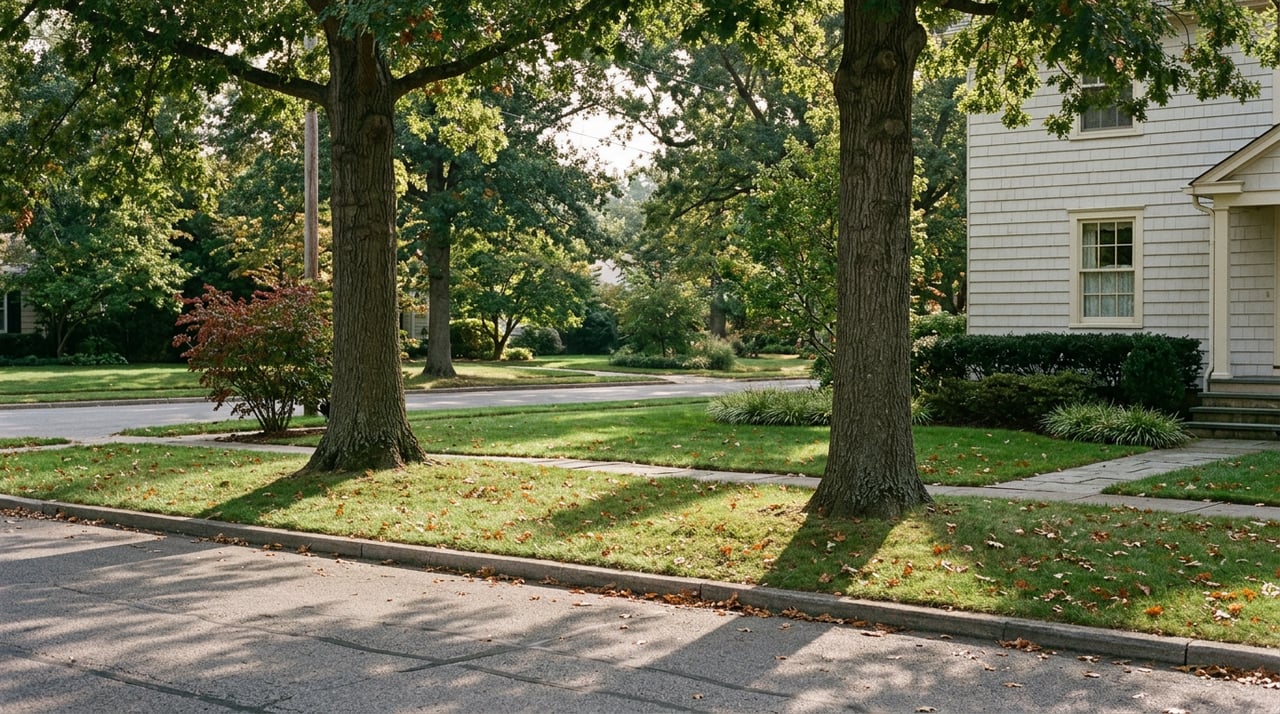
Boerum Hill is not a one-size-fits-all market. City planning materials describe a neighborhood shaped largely by 3- and 4-story rowhouses, with larger multi-family and loft buildings closer to Smith, Court, and 3rd Avenue. That means buyers are often comparing very different property types, even within a few blocks.
For you as a seller, that matters because neighborhood averages only tell part of the story. A renovated brownstone, a co-op with strong building documents, and a mixed-use property can attract very different buyers and pricing expectations. In Boerum Hill, condition, layout, legal use, and documentation can carry real weight.
The neighborhood’s historic identity also shapes buyer perception. The historic core was designated in 1973, and the 2018 Boerum Hill Historic District Extension added about 288 buildings across three areas. For many buyers, that architectural continuity is part of the appeal, so your home should be marketed in a way that connects it to the block and the neighborhood context.
Start earlier than you think
If you hope to list in spring, the work should begin well before spring arrives. Zillow says many homeowners start thinking about selling 3 to 4 months before they list, and Realtor.com reports that 53% of sellers took one month or less to get their home ready once they started. In Boerum Hill, though, older housing stock and document-heavy ownership can make preparation take longer.
That is especially true if your property needs exterior work, permit cleanup, or co-op paperwork review. What looks like a simple pre-listing task in another neighborhood can become a planning issue here. If you want flexibility on timing, give yourself a longer runway.
Realtor.com’s 2026 metro analysis placed the strongest week to sell in the New York-Newark-Jersey City area at March 22, earlier than the national peak. That does not mean every seller should rush to market that week, but it does reinforce the idea that local timing matters. If your ideal launch is in early spring, winter may be when the real preparation happens.
Price your home by true comparables
Boerum Hill pricing can look wide on public market trackers, and that is normal for a small, high-value neighborhood with mixed housing types. Redfin reported a median sale price of $1,836,882 for the three months ending May 2026, with homes selling after 53 days on market and a 99.4% sale-to-list ratio in May 2026. Other public sources put the median at different points, including $1.6M in April 2026 on PropertyShark and roughly $1.93M in median list price on Realtor.com.
The takeaway is simple: you should not price your home based on one headline number. A co-op, a townhouse, and a loft-style apartment are not interchangeable, and buyers do not treat them that way. The most useful pricing strategy is one built around recent comparable sales in your same property type, condition, and ownership structure.
That approach can help you avoid two common mistakes. The first is pricing too high because a nearby property sold at a much different quality level or size. The second is pricing too low because a neighborhood median fails to capture your home’s specific value drivers.
Prepare the property and the paperwork
In Boerum Hill, buyers often expect more than a pretty listing. They want to understand the building’s condition, any known work history, and the rules or documents tied to ownership. The more clearly you can present that information, the smoother the sale process can feel.
For co-ops and condos, the New York State Attorney General advises buyers to review key physical-condition items such as the facade, roof, floors, windows, electrical, plumbing, heating, and elevators, along with offering plans, board minutes, financial reports, and known-defect disclosures. For you as a seller, that is a useful checklist in reverse. If you can gather documents and address obvious gaps before listing, you may reduce delays later.
For townhouses and brownstones, the same principle applies. Buyers are often focused on recurring building issues like facade condition, windows, roof, plumbing, heating, and electrical systems. A pre-listing inspection, permit review, and organized renovation history can help you answer questions with confidence.
Key pre-listing items to review
- Building condition, especially roof, facade, windows, plumbing, heating, and electrical
- Any open permits, applications, or violations
- Renovation records and a basic work chronology
- Co-op or condo documents, if applicable
- Legal occupancy documents, including the Certificate of Occupancy when required
Historic district rules can affect your timeline
If your property is in the Boerum Hill Historic District or its extension, exterior work may need review from the Landmarks Preservation Commission. According to LPC, most exterior changes to front and rear facades require approval, while ordinary maintenance like repainting to match the existing color or replacing broken window glass generally does not.
This is why exterior work should not be treated as a last-minute cosmetic project. If you are planning facade repairs, window replacement, stoop work, or rear-yard changes, you may need time for permits and approvals. LPC notes that a Permit for Minor Work can often be approved within 10 business days once the application is complete, but timing still depends on having the right scope and documentation.
For sellers, the practical lesson is clear. If exterior improvements are part of your sale plan, sort them out early so they support your listing rather than delay it.
Legal use and occupancy matter
For townhouse and brownstone sellers, legal use is not a side issue. The Department of Buildings says a Certificate of Occupancy states the legal use and permitted occupancy of a building, confirms compliance with applicable laws and approvals, and cannot be issued if open violations or open applications remain.
If your home is an older pre-1938 building, alternate proof of legal use may apply instead. Either way, this is something worth confirming before you list. Buyers and their attorneys will want clarity, and having the right paperwork in place can reduce friction during due diligence.
Stage for character, not sameness
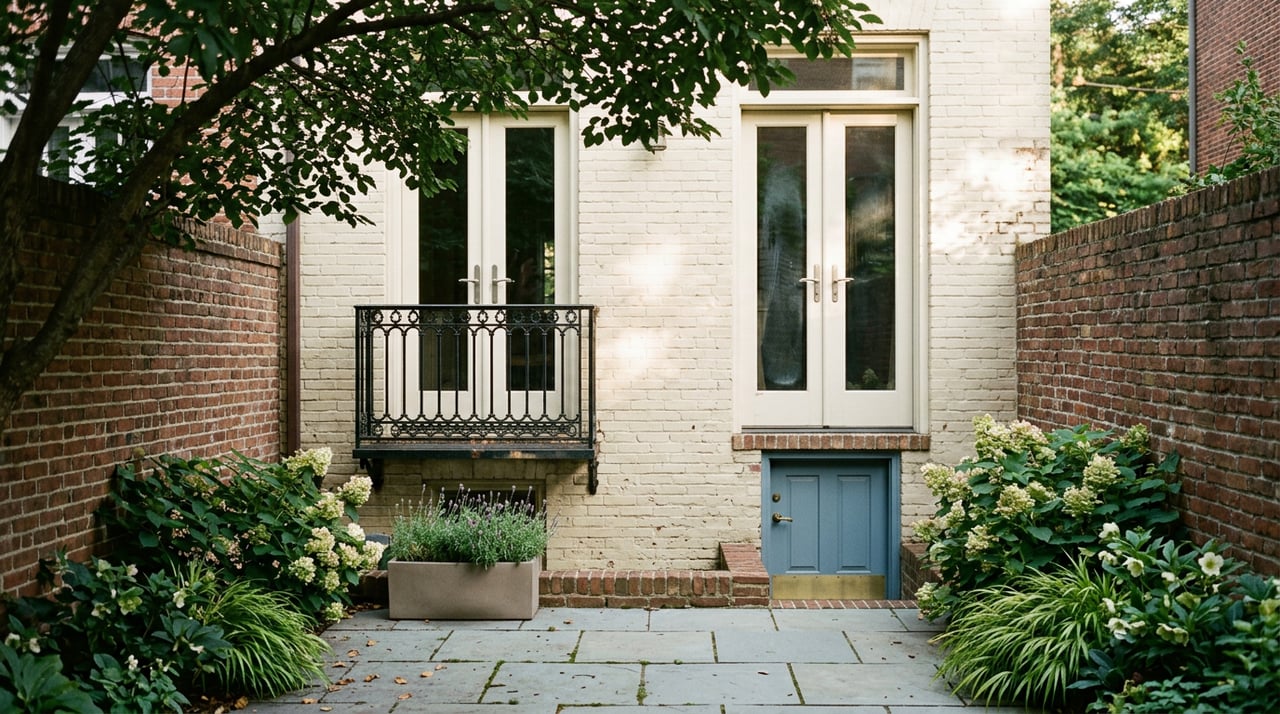
Decluttering still matters, but in Boerum Hill it should support the home’s architecture rather than erase it. In a neighborhood known for rowhouses and preserved streetscapes, original details and room flow are often part of what buyers are responding to.
That means the goal is usually not to make the home feel generic. It is to let features like ceiling height, moldings, stair lines, light, and layout read clearly in photos and showings. Zillow highlights high-resolution photography and floor plans as useful selling tools, and that fits Boerum Hill especially well.
What buyers often respond to in Boerum Hill listings
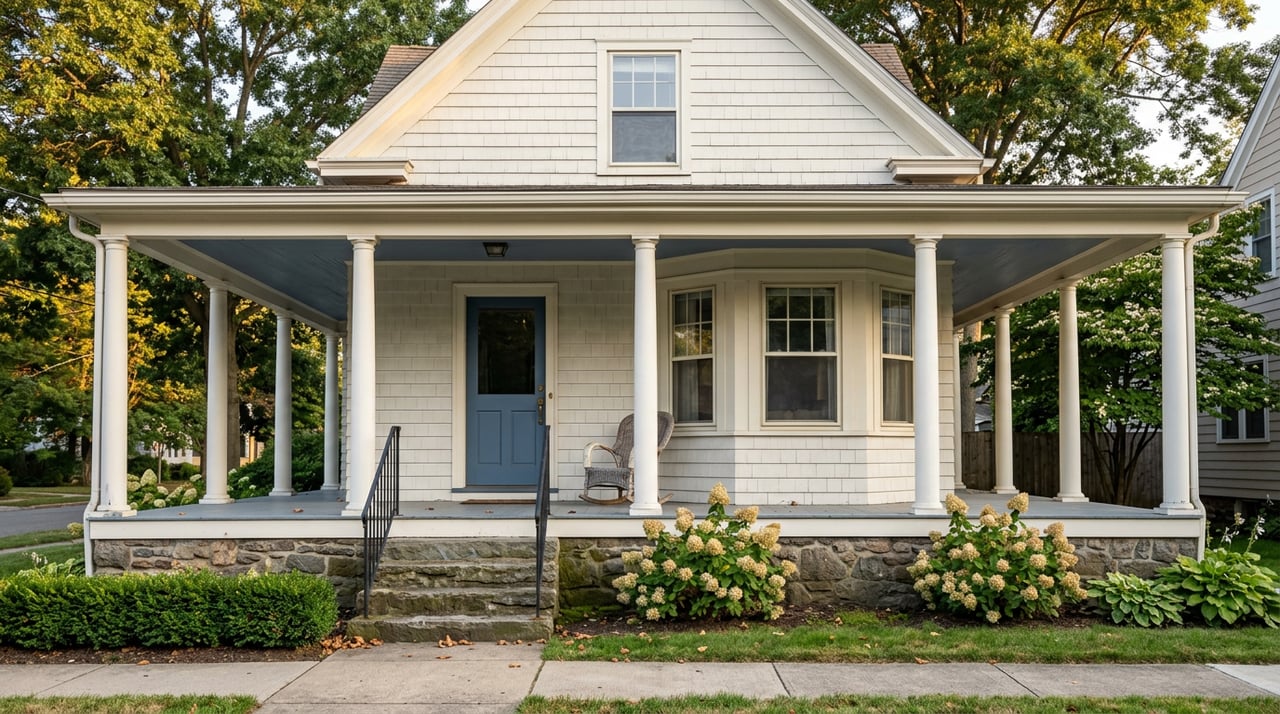
- Clear exterior photography that shows the home in its streetscape
- Floor plans that explain room flow and scale
- Interior photos that highlight architectural detail without clutter
- Straightforward descriptions of upgrades and maintenance history
- A listing story that explains how the property fits the neighborhood
Market the location with substance
Boerum Hill’s appeal is not just about square footage. City planning materials point to a transit-rich location, including the F and G trains at Bergen Street and the Atlantic Avenue-Pacific Street hub with nine subway lines and the LIRR. For many buyers, that access is part of the daily-lifestyle value.
At the same time, the neighborhood’s residential rowhouse fabric and preservation history shape how buyers think about the area. Your marketing should reflect both. A strong listing in Boerum Hill usually connects the home to its architectural setting, ownership type, and practical access, instead of relying on broad Brooklyn language.
That is especially important when buyers are comparing homes across nearby neighborhoods. A detail-rich presentation can help your property stand out for the right reasons and attract more informed interest.
Focus on a smoother sale, not just a fast one
The strongest sale plan is not always the one that gets to market first. In Boerum Hill, the highest-leverage work often happens behind the scenes: organizing paperwork, clarifying legal use, reviewing building condition, and planning around any landmark or ownership issues.
When those pieces are handled early, your pricing can be sharper and your marketing can be more confident. Buyers tend to respond well when a listing feels transparent and well prepared. That can make the path from first showing to accepted offer feel much more straightforward.
If you are planning to sell in Boerum Hill, it helps to work with people who understand how Brooklyn housing types, buyer expectations, and neighborhood context all intersect. For a free home valuation and consultation, connect with Erika Sackin.
FAQs
How far in advance should I prepare to sell a home in Boerum Hill?
- A good rule of thumb is to start 3 to 4 months before your target list date, and possibly earlier if you need exterior work, permit cleanup, or co-op document review.
Is spring the best time to sell a home in Boerum Hill?
- Spring is often a strong selling season, but local timing matters. Realtor.com’s 2026 metro data showed the New York-Newark-Jersey City area peaking earlier than the national market, with a strongest week of March 22.
Does historic district status affect selling a Boerum Hill property?
- Historic district status does not stop you from selling, but it can affect the timeline for pre-listing exterior work if Landmarks Preservation Commission review is required.
What documents matter most when selling a co-op in Boerum Hill?
- Buyers often look closely at offering plans, board minutes, financial reports, bylaws, proprietary leases, house rules, and known building-condition information.
How should I price a Boerum Hill home for sale?
- Price should be based on recent comparable sales in the same property type, condition, and ownership structure rather than on one neighborhood-wide median number.
What do buyers look for in Boerum Hill townhouses and brownstones?
- Buyers often pay close attention to the facade, roof, windows, plumbing, heating, electrical systems, layout, and the clarity of legal-use and renovation records.